
Categories
Mental Health

The Benefits of Volunteering and Giving Back

Volunteering and giving back to your community can have a profound impact not only on those you help but also on your own well-being. Here are some of the key benefits of engaging in volunteer work and acts of kindness:

The Benefits of Volunteering and Giving Back

1. Enhances Mental Health

  • Reduces Stress and Anxiety: Helping others can provide a sense of purpose and fulfillment, which can alleviate feelings of stress and anxiety.
  • Boosts Mood: Engaging in volunteer activities often leads to the release of endorphins, creating a “helper’s high” that boosts your overall mood.

2. Builds Social Connections

  • Fosters Community Engagement: Volunteering helps you connect with others who share similar interests and values, leading to new friendships and a stronger sense of belonging.
  • Expands Your Network: Meeting new people through volunteer work can open up professional opportunities and enhance your social circle.

3. Develops Skills and Experience

  • Enhances Career Skills: Volunteering can help you develop valuable skills such as leadership, teamwork, communication, and problem-solving, which are beneficial in both personal and professional settings.
  • Gains Practical Experience: Engaging in different volunteer roles can provide hands-on experience in various fields, making you more competitive in the job market.

4. Promotes Physical Health

  • Encourages an Active Lifestyle: Many volunteer opportunities involve physical activity, which can contribute to overall fitness and well-being.
  • Lowers Health Risks: Studies have shown that those who volunteer regularly may experience lower blood pressure and reduced risk of chronic diseases.

5. Increases Life Satisfaction

  • Provides a Sense of Purpose: Giving back can enhance your sense of purpose and fulfillment, contributing to greater life satisfaction.
  • Creates Lasting Memories: Volunteering often leads to meaningful experiences that create lasting memories and stories to share.

6. Cultivates Empathy and Understanding

  • Broadens Perspectives: Working with diverse populations exposes you to different cultures and viewpoints, fostering greater empathy and understanding.
  • Encourages Gratitude: Volunteering can help you appreciate your own circumstances and the challenges faced by others, leading to a more grateful outlook on life.

7. Strengthens Communities

  • Addresses Local Needs: By volunteering, you contribute directly to the well-being of your community, helping to address local issues and improve quality of life.
  • Encourages Civic Responsibility: Volunteering promotes a culture of giving and civic engagement, inspiring others to contribute to their communities as well.

8. Boosts Your Confidence

  • Builds Self-Esteem: Successfully contributing to a cause can enhance your self-confidence and sense of accomplishment.
  • Encourages Personal Growth: Facing challenges in volunteer roles can push you out of your comfort zone, leading to personal growth and increased resilience.

Conclusion

Volunteering and giving back offer a multitude of benefits that extend beyond the immediate impact on those you help. From enhancing mental and physical health to building social connections and fostering a sense of purpose, the rewards of volunteering are profound and far-reaching. Whether you dedicate your time to local charities, community events, or global initiatives, your contributions can make a meaningful difference in both your life and the lives of others.

Categories
Well-Being Wellness

How to Develop Emotional Intelligence

Emotional intelligence (EI) is the ability to recognize, understand, and manage your own emotions while also recognizing and influencing the emotions of others. Developing EI can enhance your relationships, improve communication, and increase your overall well-being. Here are practical steps to help you cultivate emotional intelligence:

How to Develop Emotional Intelligence

1. Self-Awareness

  • Reflect on Your Emotions: Take time to identify and understand your feelings. Journaling can be a helpful tool for exploring your emotional responses in different situations.
  • Know Your Triggers: Recognize the situations or people that evoke strong emotional reactions in you. Understanding these triggers can help you manage your responses better.

2. Self-Regulation

  • Practice Mindfulness: Engage in mindfulness practices such as meditation or deep breathing to help you stay present and calm. This can improve your ability to regulate your emotions.
  • Pause Before Reacting: When you feel a strong emotion, take a moment to pause and think before responding. This can prevent impulsive reactions and help you respond more thoughtfully.

3. Motivation

  • Set Personal Goals: Establish meaningful goals that align with your values. Having a sense of purpose can boost your motivation and emotional resilience.
  • Celebrate Progress: Acknowledge your achievements, no matter how small. Celebrating progress can enhance your intrinsic motivation and self-esteem.

4. Empathy

  • Practice Active Listening: Focus on truly understanding what others are saying. Listen without interrupting, and ask questions to clarify their feelings and perspectives.
  • Put Yourself in Others’ Shoes: Try to understand situations from other people’s perspectives. This can deepen your empathy and improve your interpersonal relationships.

5. Social Skills

  • Improve Communication: Work on expressing your thoughts and feelings clearly and respectfully. Effective communication is key to building strong relationships.
  • Build Rapport: Take the time to connect with others. Engage in conversations, show genuine interest, and find common ground to strengthen your social skills.

6. Manage Relationships

  • Resolve Conflicts Constructively: When disagreements arise, approach them with a solution-oriented mindset. Focus on finding common ground rather than winning an argument.
  • Seek Feedback: Ask trusted friends or colleagues for feedback on your interactions. Constructive criticism can help you identify areas for improvement in your social skills.

7. Continuous Learning

  • Read Books on Emotional Intelligence: There are numerous resources available that provide insights and strategies for developing EI. Consider titles like “Emotional Intelligence” by Daniel Goleman.
  • Attend Workshops or Training: Participate in workshops or courses focused on emotional intelligence and personal development. These can provide valuable skills and techniques.

8. Practice Self-Compassion

  • Be Kind to Yourself: Recognize that everyone makes mistakes and experiences setbacks. Treat yourself with the same compassion you would offer a friend.
  • Acknowledge Your Emotions: Accept your feelings without judgment. Understanding that emotions are a natural part of being human can help you manage them more effectively.

Balancing Emotion and Decision-Making

Emotional intelligence plays a vital role in making better personal and financial decisions. Cultivating self-awareness and patience can also lead to smarter choices when exploring rewards like an australian casinos no deposit bonus. Understanding your impulses allows for more controlled, strategic actions. Emotional insight empowers users to engage with opportunities thoughtfully rather than reactively.

Conclusion

Developing emotional intelligence is an ongoing process that can greatly enhance your personal and professional life. By focusing on self-awareness, self-regulation, empathy, and effective communication, you can improve your emotional intelligence and build stronger, more fulfilling relationships. Remember, the journey to greater emotional intelligence takes time and practice, so be patient with yourself as you grow!

Categories
Lifestyle Wellness

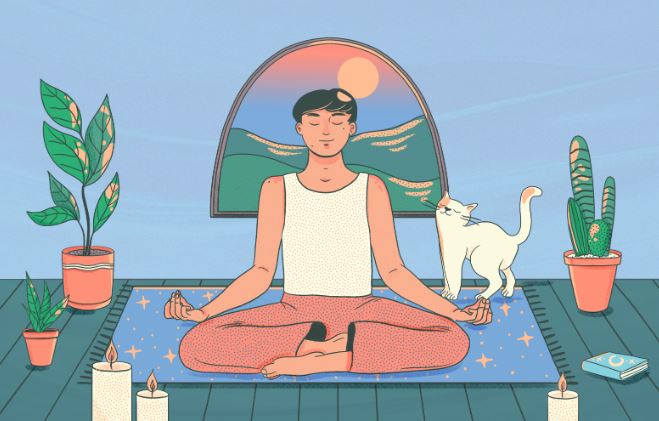
The Benefits of Meditation for Stress Relief

Meditation has been practiced for thousands of years, often as part of spiritual traditions, but its benefits have gained recognition in modern medicine and psychology, particularly for stress relief. Here are several key benefits of meditation that contribute to reducing stress:

The Benefits of Meditation for Stress Relief

  1. Reduction in Stress Hormones

Meditation has been shown to lower levels of cortisol, a hormone that is released in response to stress. High levels of cortisol can lead to various health issues, including anxiety, depression, and weight gain. By practicing meditation regularly, you can help regulate cortisol levels, leading to a calmer state of mind.

  1. Enhanced Relaxation Response

Meditation promotes a state of deep relaxation, which can counteract the body’s stress response. During meditation, heart rate and blood pressure decrease, and breathing becomes more relaxed, creating a sense of physical tranquility and peace that can last beyond the session.

  1. Improved Focus and Clarity

Meditation encourages mindfulness, helping individuals tune into the present moment and eliminate distractions. With improved focus and clarity, you can better manage stressful situations, make informed decisions, and respond more effectively rather than react impulsively.

  1. Increased Emotional Regulation

Regular meditation practice can enhance your emotional resilience, enabling you to respond to stressors with greater calmness and poise. This improved emotional regulation can help you manage anxiety, anger, and frustration more effectively, reducing the overall impact of stress on your well-being.

  1. Better Sleep Quality

Stress often leads to sleep disturbances, creating a vicious cycle of stress and fatigue. Meditation can improve sleep quality by promoting relaxation and reducing anxiety. Techniques such as guided imagery or progressive muscle relaxation can be particularly helpful in preparing the mind and body for restful sleep.

  1. Greater Self-Awareness

Meditation fosters greater self-awareness and encourages individuals to observe their thoughts and feelings without judgment. This increased awareness can help identify stress triggers and patterns, allowing you to develop healthier coping strategies and responses to stress.

  1. Reduction of Anxiety and Depression

Studies have found that meditation can significantly reduce symptoms of anxiety and depression, conditions often exacerbated by chronic stress. Mindfulness meditation, in particular, has been shown to decrease anxiety levels by promoting acceptance and helping individuals detach from negative thought patterns.

  1. Enhanced Overall Well-Being

Meditation contributes to a greater sense of overall well-being and happiness. It can increase feelings of positive emotions, compassion, and satisfaction with life. When you feel more balanced and fulfilled, the weight of stressors can become easier to handle.

  1. Community and Connection

Participating in group meditation or mindfulness classes can foster a sense of community and belonging. This connection can provide emotional support and reduce feelings of isolation, which can be beneficial for managing stress.

  1. Accessibility and Flexibility

One of the significant advantages of meditation is that it can be practiced anywhere, at any time. Whether through guided meditation apps, online resources, or simply sitting in silence, individuals can incorporate meditation into their daily routines easily, making it a flexible tool for stress relief.

Conclusion

Incorporating meditation into your daily life can lead to significant improvements in your ability to manage and reduce stress. As you practice, you may find that not only does your perception of stress change, but your overall mental and physical health improves. Whether you are a beginner or have previous experience, exploring different meditation techniques can help you find the method that resonates best with you, ultimately leading to a more peaceful and balanced life.

Categories
Wellness

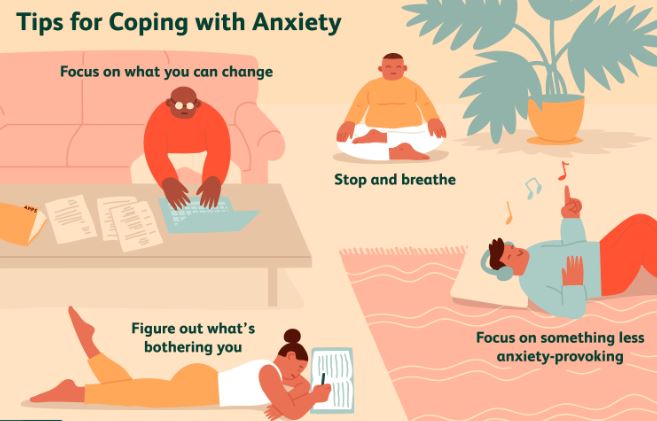
How to Manage Anxiety: Techniques and Tips

Managing anxiety can be challenging, but with the right techniques and strategies, you can gain control and improve your well-being. Here are some effective techniques and tips for managing anxiety:

How to Manage Anxiety: Techniques and Tips

  1. Practice Mindfulness and Meditation

– Mindfulness: Focus on the present moment without judgment. Techniques include mindful breathing, observing your surroundings, and practicing gratitude.

– Meditation: Consider guided meditation sessions available through apps or online resources. Regular practice can help calm your mind and reduce anxious thoughts.

  1. Engage in Regular Exercise

Physical activity can significantly reduce anxiety levels:

– Aerobic Exercise: Activities like walking, running, biking, or dancing can boost endorphins, improve mood, and reduce stress.

– Yoga: Combines physical movement with breath control and meditation, promoting relaxation and reducing tension.

  1. Establish a Routine

Creating a structured daily routine can provide a sense of control and predictability in your life:

– Plan your day with set wake-up and sleep times.

– Include designated times for work, exercise, relaxation, and socialization.

  1. Limit Caffeine and Alcohol

Both caffeine and alcohol can exacerbate anxiety symptoms:

– Caffeine: It can lead to increased heart rate and nervousness. Consider reducing or eliminating caffeinated beverages.

– Alcohol: While it may temporarily seem to relieve anxiety, alcohol can worsen anxiety over time and impact sleep quality.

  1. Prioritize Sleep Hygiene

Quality sleep is essential for mental well-being:

– Create a calming bedtime routine (reading, warm baths, meditation).

– Maintain a consistent sleep schedule by going to bed and waking up at the same time each day.

– Ensure your sleep environment is comfortable and conducive to rest (dark, quiet, and cool).

  1. Connect with Others

Social support can help alleviate anxiety:

– Talk to friends or family about your feelings. Sharing your concerns can provide relief and perspective.

– Consider joining support groups or connecting with others who understand what you’re going through.

  1. Practice Deep Breathing Techniques

Deep breathing can activate your body’s relaxation response:

– Try the 4-7-8 technique: Inhale through your nose for 4 counts, hold the breath for 7 counts, and exhale slowly through your mouth for 8 counts. Repeat several times.

  1. Challenge Negative Thoughts

Cognitive Behavioral Therapy (CBT) techniques can help in reframing negative thought patterns:

– Keep a journal to track anxiety triggers and associated thoughts.

– Identify cognitive distortions (e.g., catastrophizing, black-and-white thinking) and consciously reframe these thoughts into positive or realistic ones.

  1. Limit Screen Time and News Exposure

Continuous exposure to screens and news can heighten anxiety:

– Set limits on social media and news consumption, particularly if certain platforms or topics lead to increased stress.

– Schedule specific times to check news and stick to those times.

  1. Engage in Hobbies and Activities

Participating in activities you enjoy can distract you from anxious thoughts and bring joy:

– Explore interests like reading, painting, gardening, or puzzles.

– Get creative with arts, crafts, or any form of expression that resonates with you.

  1. Seek Professional Help

If anxiety becomes overwhelming or persistent:

– Consult a mental health professional for therapy options like CBT, which can provide a structured approach to managing anxiety.

– Discuss medication options with a healthcare provider if appropriate.

  1. Learn Relaxation Techniques

Incorporate relaxation techniques to manage stress:

– Progressive Muscle Relaxation: Tense and then relax each muscle group, starting from your toes to your head.

– Visualization: Imagine a peaceful scene or a place where you feel safe and relaxed.

Conclusion

Managing anxiety is a personal journey and may require a combination of techniques to find what works best for you. Practicing self-care, reaching out for support, and maintaining a proactive approach can help you navigate anxiety more effectively. Remember that it’s okay to seek help and prioritize your mental well-being.

Categories
Health Wellness

The Benefits of Outdoor Activities for Mental Health

Engaging in outdoor activities can significantly boost mental health and overall well-being. Nature and outdoor environments provide unique benefits that contribute to improved mood, reduced stress, and enhanced cognitive function. Here’s an exploration of how outdoor activities positively impact mental health:

The Benefits of Outdoor Activities for Mental Health

1. Reducing Stress and Anxiety

1.1. Natural Relaxation

  • Stress Reduction: Spending time in natural settings has been shown to lower levels of cortisol, a stress hormone. The tranquility of nature promotes relaxation and helps reduce anxiety.
  • Mindfulness: Outdoor environments encourage mindfulness and presence, helping individuals disconnect from daily stressors and focus on the present moment.

1.2. Fresh Air and Physical Activity

  • Oxygen Flow: Breathing fresh air in natural settings can improve oxygen flow and increase energy levels, contributing to a sense of well-being.
  • Exercise Benefits: Physical activities like hiking, cycling, or jogging release endorphins, which are natural mood lifters that help alleviate anxiety and stress.

2. Enhancing Mood and Emotional Well-Being

2.1. Exposure to Sunlight

  • Vitamin D: Sunlight exposure boosts vitamin D levels, which is essential for mood regulation and overall mental health. Vitamin D deficiency has been linked to increased risk of depression.
  • Serotonin Production: Sunlight can increase serotonin levels in the brain, contributing to improved mood and a sense of well-being.

2.2. Connection with Nature

  • Mood Improvement: Studies show that spending time in nature can lead to improved mood, reduced symptoms of depression, and a greater sense of life satisfaction.
  • Nature’s Healing Effects: Natural environments often provide a sense of peace and calm, which can counteract feelings of sadness or irritability.

3. Boosting Cognitive Function

3.1. Enhanced Focus and Concentration

  • Attention Restoration: Outdoor activities, particularly in natural settings, can help restore attention and improve concentration. Nature walks and green spaces provide cognitive breaks from mental fatigue.
  • Creativity Boost: Engaging with nature can stimulate creativity and problem-solving skills, as natural environments often inspire new ideas and perspectives.

3.2. Mental Clarity

  • Reduced Mental Fatigue: Time spent outdoors helps clear mental clutter and reduce cognitive overload, leading to better mental clarity and decision-making.
  • Improved Memory: Regular outdoor activities have been associated with enhanced memory and learning abilities, partly due to the mental relaxation and reduced stress experienced in nature.

4. Promoting Social Interaction and Support

4.1. Social Connection

  • Group Activities: Outdoor activities, such as group sports, hiking, or picnics, provide opportunities for social interaction and bonding, which can enhance feelings of connection and support.
  • Shared Experiences: Engaging in outdoor experiences with others fosters a sense of community and belonging, which is important for mental well-being.

4.2. Family and Friend Time

  • Quality Time: Spending time outdoors with family and friends strengthens relationships and creates positive, shared experiences that contribute to emotional well-being.

5. Encouraging Healthy Lifestyle Habits

5.1. Regular Exercise

  • Physical Health Benefits: Outdoor activities often involve physical exercise, which is known to improve mental health by reducing symptoms of depression and anxiety.
  • Routine Building: Establishing a routine of outdoor exercise can promote long-term mental health benefits and encourage a healthier lifestyle.

5.2. Balanced Lifestyle

  • Work-Life Balance: Incorporating outdoor activities into your routine helps balance work and leisure, promoting a healthier and more fulfilling lifestyle.
  • Engagement with Nature: Regular outdoor activities foster a connection with nature, encouraging a lifestyle that values and prioritizes well-being.

6. Tips for Incorporating Outdoor Activities

6.1. Find Activities You Enjoy

  • Explore Options: Try different outdoor activities to find what you enjoy most, whether it’s hiking, gardening, cycling, or simply walking in the park.
  • Set Goals: Set achievable goals for incorporating outdoor activities into your routine, such as taking a daily walk or participating in a weekly outdoor class.

6.2. Prioritize Safety and Comfort

  • Appropriate Gear: Wear suitable clothing and footwear for the weather and activity to ensure a comfortable and enjoyable experience.
  • Stay Hydrated: Drink plenty of water and take breaks as needed to stay hydrated and energized during outdoor activities.

6.3. Make It a Habit

  • Regular Schedule: Aim to include outdoor activities in your daily or weekly routine to reap the full benefits for mental health.
  • Join Groups: Consider joining outdoor clubs or groups to stay motivated and make outdoor activities a regular part of your life.

Conclusion

Outdoor activities offer a multitude of mental health benefits, including reduced stress, enhanced mood, improved cognitive function, and increased social interaction. By incorporating more time in nature and engaging in physical activities, you can support your mental well-being and foster a healthier, more balanced lifestyle. Whether it’s a nature walk, a weekend hike, or simply spending time in a park, the positive effects of outdoor activities on mental health are well worth exploring.

Categories
Wellness

The Importance of Sleep for Overall Wellness

Sleep is a fundamental aspect of overall health and wellness, influencing nearly every facet of physical and mental well-being. Despite its importance, many people underestimate the role of sleep in maintaining a healthy lifestyle. Here’s why sleep is crucial and how it impacts various aspects of wellness:

The Importance of Sleep for Overall Wellness

1. Physical Health

1.1. Restorative Functions

  • Cellular Repair: During sleep, the body performs essential repair processes, including tissue growth and muscle repair. This helps to heal injuries and maintain overall physical health.
  • Immune Function: Adequate sleep supports a healthy immune system, helping the body fight off infections and illnesses more effectively.

1.2. Cardiovascular Health

  • Heart Health: Quality sleep helps regulate blood pressure and heart rate. Chronic sleep deprivation is associated with an increased risk of heart disease and hypertension.
  • Metabolism: Sleep plays a role in regulating metabolism and appetite. Poor sleep can disrupt hormonal balance, leading to weight gain and an increased risk of metabolic disorders like diabetes.

1.3. Physical Performance

  • Energy Levels: Proper sleep ensures higher energy levels and better physical performance. Athletes, in particular, benefit from improved strength, speed, and endurance with adequate rest.
  • Coordination and Reaction Time: Good sleep enhances motor skills, coordination, and reaction times, reducing the risk of accidents and injuries.

2. Mental Health

2.1. Cognitive Function

  • Memory Consolidation: Sleep is crucial for memory consolidation and learning. The brain processes and stores information acquired throughout the day during sleep, enhancing cognitive functions.
  • Focus and Concentration: Quality sleep improves focus, attention, and problem-solving abilities. Sleep deprivation impairs cognitive performance and decision-making skills.

2.2. Emotional Regulation

  • Mood Stability: Adequate sleep helps regulate emotions and mood. Chronic sleep deprivation is linked to increased irritability, stress, and a higher risk of mental health issues like depression and anxiety.
  • Stress Resilience: Quality sleep supports the body’s ability to handle stress and recover from stressful situations, promoting better emotional resilience.

2.3. Mental Clarity

  • Creativity and Problem-Solving: Sleep fosters creativity and innovative thinking. The brain’s problem-solving capabilities and creative thinking are enhanced with sufficient rest.

3. Behavioral and Social Impact

3.1. Daily Functioning

  • Productivity: Adequate sleep improves productivity and efficiency in daily tasks. Poor sleep can lead to decreased motivation, lower productivity, and increased errors.
  • Interpersonal Relationships: Good sleep contributes to better mood and behavior, positively impacting interpersonal relationships and social interactions.

3.2. Risk-Taking and Decision-Making

  • Judgment: Sleep deprivation affects decision-making abilities and risk assessment, leading to increased likelihood of making poor choices and engaging in risky behaviors.

4. Sleep Hygiene Tips

4.1. Establish a Routine

  • Consistent Schedule: Go to bed and wake up at the same time every day, even on weekends, to regulate your internal clock and improve sleep quality.
  • Relaxing Pre-Sleep Routine: Engage in calming activities before bed, such as reading or taking a warm bath, to signal to your body that it’s time to wind down.

4.2. Optimize Sleep Environment

  • Comfortable Bedding: Invest in a comfortable mattress and pillows to support a restful night’s sleep.
  • Dark and Quiet: Ensure your sleep environment is dark, quiet, and cool. Use blackout curtains, earplugs, or a white noise machine if necessary.

4.3. Limit Disruptions

  • Screen Time: Avoid screens (phones, tablets, computers) at least an hour before bed, as the blue light emitted can interfere with melatonin production and disrupt sleep.
  • Caffeine and Alcohol: Limit consumption of caffeine and alcohol, especially in the hours leading up to bedtime, as they can negatively affect sleep quality.

4.4. Healthy Lifestyle

  • Physical Activity: Regular exercise promotes better sleep, but avoid vigorous exercise close to bedtime.
  • Balanced Diet: Maintain a balanced diet and avoid heavy meals or excessive liquids before bed to prevent discomfort and interruptions.

5. Addressing Sleep Disorders

5.1. Common Disorders

  • Insomnia: Difficulty falling or staying asleep. Consult a healthcare provider if you experience persistent sleep issues.
  • Sleep Apnea: A condition characterized by interrupted breathing during sleep. Seek medical advice if you suspect sleep apnea.

5.2. Professional Help

  • Medical Evaluation: If you have chronic sleep problems or suspect a sleep disorder, consult a healthcare professional or sleep specialist for evaluation and treatment options.

Conclusion

Sleep is a vital component of overall wellness, impacting physical health, mental clarity, and emotional stability. Prioritizing quality sleep and adopting good sleep hygiene practices can significantly enhance your well-being and quality of life. By understanding and addressing the importance of sleep, you can improve your health and achieve a more balanced, fulfilling lifestyle.

Categories
Health

Importance of Regular Mental Health Check-Ins

Mental health is a crucial aspect of overall well-being, and regular check-ins can play a significant role in maintaining and improving mental health. Here’s why regular mental health check-ins are important and how they can benefit you:

The Importance of Regular Mental Health Check-Ins

1. Early Detection of Issues

1.1 Identifying Problems Early:

  • Action: Regular check-ins help you identify early signs of mental health issues, such as anxiety, depression, or stress.
  • Benefit: Early detection allows for timely intervention and can prevent more severe problems from developing.

1.2 Monitoring Changes:

  • Action: Keeping track of your mental health over time helps you notice changes or patterns that may indicate a problem.
  • Benefit: Awareness of these changes facilitates prompt action and adjustment of coping strategies or treatment.

2. Promoting Self-Awareness

2.1 Understanding Your Emotions:

  • Action: Regular check-ins encourage you to reflect on your feelings, thoughts, and behaviors.
  • Benefit: This self-awareness helps you understand your emotional triggers and develop strategies to manage them effectively.

2.2 Recognizing Achievements and Challenges:

  • Action: Evaluating your mental health regularly helps you acknowledge progress and setbacks.
  • Benefit: Recognizing achievements boosts confidence, while understanding challenges enables you to address them proactively.

3. Enhancing Emotional Regulation

3.1 Developing Coping Strategies:

  • Action: Regular check-ins provide an opportunity to assess the effectiveness of your coping strategies and make necessary adjustments.
  • Benefit: Improved emotional regulation helps manage stress, anxiety, and other emotional challenges more effectively.

3.2 Building Resilience:

  • Action: By routinely evaluating your mental health, you can identify areas where resilience can be strengthened.
  • Benefit: Building resilience helps you handle future stressors and setbacks with greater ease.

4. Improving Relationships

4.1 Enhancing Communication:

  • Action: Regular check-ins can improve communication with friends, family, and mental health professionals about your needs and concerns.
  • Benefit: Better communication fosters supportive relationships and reduces misunderstandings.

4.2 Strengthening Support Networks:

  • Action: Sharing your mental health status with trusted individuals helps build a network of support.
  • Benefit: A strong support network provides emotional assistance and encouragement during challenging times.

5. Encouraging Professional Help

5.1 Seeking Appropriate Support:

  • Action: Regular check-ins may highlight the need for professional help, such as therapy or counseling.
  • Benefit: Professional support provides specialized tools and strategies for managing mental health issues effectively.

5.2 Monitoring Treatment Progress:

  • Action: If you are receiving treatment, regular check-ins help track progress and adjust treatment plans as needed.
  • Benefit: Monitoring treatment effectiveness ensures that you are receiving the most appropriate care for your needs.

6. Enhancing Overall Well-Being

6.1 Promoting Healthy Habits:

  • Action: Regular mental health check-ins encourage the adoption of healthy habits, such as regular exercise, balanced nutrition, and adequate sleep.
  • Benefit: Healthy habits contribute to overall well-being and mental health stability.

6.2 Setting and Achieving Goals:

  • Action: Check-ins provide an opportunity to set and evaluate personal goals related to mental health and well-being.
  • Benefit: Achieving these goals boosts self-esteem and contributes to a sense of accomplishment.

7. Reducing Stigma

7.1 Normalizing Mental Health Discussions:

  • Action: Regularly discussing mental health helps normalize these conversations and reduce stigma.
  • Benefit: Reducing stigma encourages more individuals to seek help and prioritize their mental health.

7.2 Promoting Awareness:

  • Action: Engaging in regular mental health check-ins increases awareness of mental health issues and available resources.
  • Benefit: Greater awareness helps individuals make informed decisions about their mental health care.

How to Implement Regular Mental Health Check-Ins

  1. Schedule Regular Check-Ins:
  • Action: Set aside specific times for self-reflection, journaling, or discussing your mental health with a trusted person.
  • Benefit: Regular scheduling ensures that mental health check-ins become a consistent part of your routine.
  1. Use Tools and Resources:
  • Action: Utilize mental health apps, journals, or mood trackers to help monitor and evaluate your mental health.
  • Benefit: Tools and resources provide structured ways to track changes and progress.
  1. Seek Professional Support:
  • Action: Consider working with a mental health professional for regular sessions or check-ins.
  • Benefit: Professional guidance offers expert insights and tailored support for your mental health needs.

Conclusion

Regular mental health check-ins are vital for maintaining and improving mental well-being. By identifying issues early, promoting self-awareness, enhancing emotional regulation, improving relationships, encouraging professional help, and reducing stigma, check-ins play a crucial role in supporting overall health. Incorporating regular mental health evaluations into your routine can lead to a more balanced and fulfilling life, fostering resilience and well-being.

Categories
Lifestyle Wellness

How to Incorporate Mindfulness into Your Daily Life

Mindfulness involves being fully present in the moment, aware of your thoughts and feelings without judgment. Integrating mindfulness into your daily life can enhance your well-being, reduce stress, and improve focus. Here’s a guide to help you incorporate mindfulness into your daily routine:

How to Incorporate Mindfulness into Your Daily Life

1. Start with Your Breath

1.1 Practice Deep Breathing:

  • Action: Take a few minutes each day to focus on your breath. Inhale deeply through your nose, hold for a few seconds, and exhale slowly through your mouth.
  • Benefit: Deep breathing helps calm the mind, reduces stress, and increases awareness of the present moment.

1.2 Use Breathing Exercises:

  • Action: Implement breathing techniques such as diaphragmatic breathing or the 4-7-8 method.
  • Benefit: These exercises promote relaxation and help center your attention.

2. Create Mindful Moments

2.1 Mindful Eating:

  • Action: Eat your meals slowly and savor each bite. Pay attention to the flavors, textures, and smells of your food.
  • Benefit: Mindful eating can enhance your enjoyment of food, improve digestion, and help you recognize hunger cues.

2.2 Mindful Walking:

  • Action: During a walk, focus on the sensation of each step, the feeling of the ground beneath your feet, and your surroundings.
  • Benefit: Mindful walking promotes relaxation and encourages a deeper connection with your environment.

3. Integrate Mindfulness into Daily Activities

3.1 Mindful Commute:

  • Action: Use your commute time to practice mindfulness. Pay attention to your surroundings, your breathing, or listen to a mindfulness meditation audio.
  • Benefit: Transforming commute time into a mindfulness practice reduces stress and starts your day with a calm mindset.

3.2 Mindful Work Breaks:

  • Action: Take short breaks throughout the day to practice mindfulness. Pause, breathe deeply, and check in with your feelings.
  • Benefit: Brief mindfulness breaks can boost focus, reduce workplace stress, and enhance productivity.

4. Establish a Mindfulness Routine

4.1 Set Aside Time for Meditation:

  • Action: Dedicate a specific time each day for mindfulness meditation. Start with 5-10 minutes and gradually increase as you become more comfortable.
  • Benefit: Regular meditation fosters a deeper practice of mindfulness and promotes long-term mental clarity and calm.

4.2 Use Mindfulness Apps:

  • Action: Utilize mindfulness and meditation apps, such as Headspace or Calm, to guide your practice and provide structured sessions.
  • Benefit: Apps offer convenience and variety, making it easier to incorporate mindfulness into your routine.

5. Practice Mindfulness in Relationships

5.1 Active Listening:

  • Action: When interacting with others, practice active listening by fully focusing on what the other person is saying without interrupting or planning your response.
  • Benefit: Active listening improves communication, fosters deeper connections, and demonstrates respect and empathy.

5.2 Mindful Presence:

  • Action: Be fully present during conversations and interactions. Avoid distractions like phones or screens and give your full attention to the person you’re with.
  • Benefit: Mindful presence strengthens relationships and enhances the quality of interactions.

6. Apply Mindfulness to Stressful Situations

6.1 Pause and Breathe:

  • Action: When faced with a stressful situation, take a moment to pause and focus on your breath before responding.
  • Benefit: This pause helps you respond more calmly and thoughtfully, reducing the impact of stress.

6.2 Reframe Your Perspective:

  • Action: Use mindfulness techniques to observe your thoughts and feelings without judgment. Reframe negative thoughts by focusing on positive aspects or solutions.
  • Benefit: Mindfulness helps shift your perspective and reduces the intensity of stress.

7. Cultivate Mindfulness Throughout the Day

7.1 Mindful Moments:

  • Action: Identify opportunities for mindfulness throughout your day, such as while washing dishes, brushing your teeth, or waiting in line.
  • Benefit: Integrating mindfulness into routine tasks helps make mindfulness a natural part of your life.

7.2 Gratitude Practice:

  • Action: Incorporate a gratitude practice by taking a few moments each day to reflect on things you’re thankful for.
  • Benefit: Gratitude enhances positivity and overall well-being, complementing your mindfulness practice.

8. Be Patient and Consistent

8.1 Embrace Imperfection:

  • Action: Recognize that mindfulness is a practice and it’s normal to have wandering thoughts or distractions.
  • Benefit: Embracing imperfection helps maintain motivation and reduces frustration.

8.2 Stay Consistent:

  • Action: Integrate mindfulness into your daily routine and make it a consistent practice, even if it’s just for a few minutes each day.
  • Benefit: Consistency reinforces mindfulness habits and contributes to long-term benefits.

Conclusion

Incorporating mindfulness into your daily life involves creating mindful moments, establishing a routine, and applying mindfulness to various aspects of your day. By starting with simple practices, integrating mindfulness into everyday activities, and maintaining consistency, you can enhance your overall well-being, reduce stress, and cultivate a deeper sense of presence and fulfillment. Remember, mindfulness is a journey, and even small steps can lead to significant positive changes in your life.

Categories
Health

How to Read Nutrition Labels: A Beginner’s Guide

Understanding how to read nutrition labels is essential for making informed food choices and maintaining a healthy diet. Nutrition labels provide crucial information about the contents of the food you consume, including calories, nutrients, and serving sizes. Here’s a step-by-step guide to help you navigate nutrition labels effectively.

How to Read Nutrition Labels: A Beginner’s Guide

  1. Start with the Serving Size 

–  What It Is : The serving size indicates the amount of the product that is considered one portion. It’s usually listed in both standard measurements (cups, ounces) and metric (grams).

–  Why It Matters : All the nutritional information on the label is based on this serving size. If you eat more or less than the stated serving, you’ll need to adjust the nutritional values accordingly.

  1. Check the Total Calories 

–  What It Is : This section shows the number of calories per serving.

–  Why It Matters : Understanding the calorie content helps you manage your energy intake, especially if you are trying to lose, maintain, or gain weight. Pay attention to how many servings are in the package to accurately assess your total calorie consumption.

  1. Look at the Nutrients 

Nutrition labels list various nutrients, typically broken down into two categories: essential nutrients and those to limit.

–  Essential Nutrients :

–  Total Fat : Look at the amount of total fat and the types of fats (saturated and trans fats). Aim to limit saturated fats and avoid trans fats.

–  Cholesterol : A lower cholesterol content is often preferable for heart health.

–  Sodium : High sodium intake can lead to health issues, so aim for lower amounts.

–  Total Carbohydrates : This includes sugars and dietary fiber. Pay attention to sugar content and aim for whole grains and fiber-rich foods.

–  Protein : Essential for muscle repair and growth. Choose sources that offer healthier fats and lower sugars.

–  Nutrients to Limit :

– Generally, you should try to limit saturated fats, trans fats, cholesterol, and sodium.

–  Nutrients to Encourage :

– Focus on getting enough dietary fiber, vitamins (like A and C), and minerals (like calcium and iron) as they contribute to overall health.

  1. Understand % Daily Value (%DV) 

–  What It Is : The % Daily Value tells you how much a nutrient in a serving of food contributes to a daily diet, based on a daily intake of 2,000 calories.

–  Why It Matters : Use this percentage to gauge if the food item is high or low in various nutrients.

–  5% DV or less  is considered low for nutrients you want to limit.

–  20% DV or more  is considered high for nutrients you want to include more of in your diet.

  1. Watch Out for Added Sugars 

– Many products now include a specific line for “Added Sugars,” distinguishing it from naturally occurring sugars found in fruits and dairy.

–  Why It Matters : Reducing added sugars is important for managing weight and overall health, as excessive sugar consumption is linked to multiple health issues, including heart disease and diabetes.

  1. Ingredient List 

–  What It Is : Ingredients are listed in order of weight, meaning the first ingredient is what the product contains the most of.

–  Why It Matters : Checking the ingredient list can help you identify unhealthy additives, preservatives, and identify whole foods versus processed foods. Aim for products with whole, recognizable ingredients and avoid those with a long list of unrecognizable additives.

  1. Allergens and Special Diet Notes 

– Look for allergen information, which must indicate common allergens such as milk, eggs, peanuts, tree nuts, fish, shellfish, soy, and wheat. Some labels also include information for gluten-free options or whether the product is vegan or vegetarian.

 Conclusion

By learning how to read nutrition labels, you empower yourself to make informed choices about the food you eat. Start incorporating this knowledge into your shopping habits, and you’ll be on your way to better health through mindful eating. Remember, it takes practice, so don’t hesitate to take your time and refer to labels as you navigate your dietary choices!

Categories
Health

The Impact of Sugar on Your Health

Sugar is a common ingredient that finds its way into many foods and beverages, often without us realizing it. While it can add sweetness and flavor to our diets, excessive sugar consumption poses significant health risks. Understanding the different types of sugar, its effects on the body, and how to manage sugar intake can help you lead a healthier lifestyle. Here’s an overview of the impacts of sugar on your health.

The Impact of Sugar on Your Health

 Types of Sugar

  1. Natural Sugars : These are found naturally in fruits, vegetables, and dairy, and come with essential nutrients, fiber, and water. Examples include fructose (in fruits) and lactose (in milk).
  2. Added Sugars : These are sugars that are added to foods during processing or preparation. They are present in many processed products, including sugary drinks, candies, baked goods, and sauces.
  3. Refined Sugars : Common sources include white sugar and high-fructose corn syrup. These sugars are stripped of their nutritional value during processing and offer empty calories without providing any essential nutrients.

 Negative Health Effects of Excessive Sugar Intake

  1. Weight Gain and Obesity : One of the most significant impacts of high sugar consumption is weight gain. Sugary foods and beverages are calorie-dense and do not provide lasting satiety, leading to excessive calorie intake. Over time, this can result in obesity and related health complications.
  2. Increased Risk of Chronic Diseases :

–  Diabetes : High sugar intake has been linked to an increased risk of developing type 2 diabetes. Sugars can lead to insulin resistance, a condition that can progress to diabetes over time.

–  Heart Disease : Excessive sugar consumption may contribute to heart disease through mechanisms such as obesity, inflammation, high blood pressure, and elevated triglyceride levels.

–  Fatty Liver Disease : Sugar, particularly fructose, is linked to non-alcoholic fatty liver disease (NAFLD), where fat builds up in the liver and can lead to significant liver damage.

  1. Dental Problems : Sugars are a primary contributor to dental decay. Bacteria in the mouth feed on sugar and produce acid that erodes tooth enamel, leading to cavities and gum disease.
  2. Mood and Mental Health : There is evidence to suggest that high sugar intake can affect mood and mental health. Excess sugar can lead to spikes and crashes in blood sugar levels, which can cause mood swings, irritability, and fatigue. Some studies have also linked high sugar consumption to an increased risk of depression and anxiety.
  3. Skin Aging : High sugar levels can lead to glycation, a process where sugar molecules bind to proteins in the body, forming advanced glycation end products (AGEs). AGEs can damage collagen and elastin, leading to premature skin aging and loss of elasticity.

 Recommendations for Sugar Intake

  1. Limit Added Sugars : According to the American Heart Association, women should limit added sugars to no more than 6 teaspoons (25 grams) per day, while men should aim for no more than 9 teaspoons (38 grams) per day.
  2. Read Labels : Become an avid reader of nutrition labels. Look for hidden sugars in processed foods by checking the ingredient list for terms like sucrose, glucose, fructose, and corn syrup.
  3. Choose Natural Sources : Opt for natural sources of sugar, such as fruits and dairy, which come with vitamins, minerals, and fiber. These foods promote better health and help maintain stable blood sugar levels.
  4. Stay Hydrated : Often, we confuse thirst with hunger. Drinking water instead of sugary beverages can help reduce sugar intake significantly.
  5. Mindful Eating : Practice mindful eating to enhance awareness of your food choices. Eating slowly and paying attention to hunger cues can help you resist sugary snacks and desserts.

 Conclusion

The impact of sugar on health is multifaceted, with excessive intake linked to various health issues, including obesity, diabetes, heart disease, dental problems, and mood disorders. By being aware of the types of sugar in your diet and implementing strategies to reduce added sugars, you can significantly improve your overall health and well-being. Making informed dietary choices is key to managing sugar consumption and enjoying a balanced, nutritious diet. Remember, moderation is essential—embracing a healthy lifestyle that includes a thoughtful approach to sugar can lead to lasting health benefits.