

Categories
Health

How to Choose Healthy Fats

Fats are an essential part of a balanced diet, providing energy, supporting cell growth, aiding in nutrient absorption, and playing a vital role in hormone production. However, not all fats are created equal. Making informed choices about the types of fats you consume can greatly impact your health. Here’s a comprehensive guide on how to choose healthy fats.

How to Choose Healthy Fats

  1. Understand the Different Types of Fats

Fats can be classified into several categories, each with distinct characteristics and health effects:

– Unsaturated Fats: These are considered the healthiest fats and are typically liquid at room temperature. They can be further divided into:

– Monounsaturated Fats: Found in olive oil, avocados, nuts, and seeds, these fats can help reduce bad cholesterol levels and are associated with a lower risk of heart disease.

– Polyunsaturated Fats: These fats include omega-3 and omega-6 fatty acids and are found in fatty fish, walnuts, flaxseeds, and sunflower seeds. Omega-3s are particularly beneficial for heart health and reducing inflammation.

– Saturated Fats: Usually solid at room temperature, saturated fats are found in animal products (like red meat and full-fat dairy) and some tropical oils (such as coconut and palm oil). While recent research suggests that moderate consumption of saturated fats may be acceptable, it’s still recommended to limit excessive intake.

– Trans Fats: These are artificially created fats found in partially hydrogenated oils. Trans fats can increase bad cholesterol levels while decreasing good cholesterol levels, leading to an increased risk of heart disease. It’s best to avoid trans fats altogether.

  1. Choose Whole Food Sources of Healthy Fats

When selecting fats, prioritize whole food sources over processed options:

– Healthy Oils: Use extra virgin olive oil, avocado oil, or coconut oil for cooking and salad dressings. These oils provide beneficial nutrients and flavors.

– Fatty Fish: Incorporate fatty fish such as salmon, mackerel, sardines, and trout into your diet at least twice a week. These fish are rich in omega-3 fatty acids.

– Nuts and Seeds: Grab a handful of almonds, walnuts, chia seeds, or flaxseeds as snacks or add them to meals for healthy fat and protein.

– Avocados: Load up on this creamy fruit—avocados are rich in monounsaturated fats and provide fiber and various vitamins.

  1. Read Nutrition Labels

When purchasing packaged foods, pay attention to nutrition labels to avoid unhealthy fats:

– Watch for Trans Fats: Look for “0 grams trans fat” on labels. Even if the label claims zero trans fats, check the ingredient list for “partially hydrogenated oil,” which indicates the presence of trans fats.

– Check Saturated Fat Content: Pay attention to the saturated fat content. Opt for products that contain low levels of saturated fats.

– Healthy Ingredients: Look for products that use nuts, seeds, or healthy oils as their primary sources of fat, rather than processed or artificial fats.

  1. Understand Portion Sizes

While healthy fats are beneficial, they are still calorie-dense. Keep portion sizes in check:

– Use Measuring Tools: If you’re unsure about portion sizes, consider using measuring cups or a scale to help control how much healthy fat you’re adding to your meals.

– Balance Your Plate: Incorporate healthy fats as part of a balanced meal with a variety of other nutrients. For example, combine healthy oils with vegetables, lean proteins, and whole grains.

  1. Cook Mindfully

The way you prepare your food can impact the type and amount of fat you consume:

– Opt for Healthier Cooking Methods: Use methods such as grilling, baking, steaming, or sautéing instead of frying foods. This approach helps limit the amount of added fat.

– Limit Oil Use: When cooking, use only the amount of oil necessary to achieve desired results. Experiment with herbs and spices for flavor without added fat.

  1. Stay Informed About Recent Research

Nutritional science is continually evolving. Stay informed about current research and guidelines regarding dietary fats to make well-informed decisions:

– Follow Reliable Sources: Rely on reputable nutrition organizations and registered dietitians for accurate information about healthy fats.

Conclusion

Choosing healthy fats is essential for overall health and well-being. By understanding the different types of fats, selecting whole food sources, reading labels, managing portion sizes, cooking mindfully, and staying informed, you can incorporate dietary fats that support your health objectives. Remember, moderation is key, and balance within your overall diet is essential for achieving optimal health.

Categories
Health

The Importance of Protein in Your Diet

Protein is a vital macronutrient that plays a crucial role in maintaining overall health and well-being. As one of the three primary macronutrients, alongside carbohydrates and fats, protein is essential for various bodily functions. Here’s a look at why protein is important, its various functions in the body, rich sources, and how to incorporate it into your diet effectively.

The Importance of Protein in Your Diet

  1. Building Blocks of the Body

Proteins are made up of amino acids, which are often referred to as the building blocks of life. There are 20 different amino acids, 9 of which are considered essential, meaning they must be obtained from your diet because the body cannot produce them. Proteins are critical for:

– Tissue Repair and Growth: Protein is essential for repairing tissues and building new cells, making it particularly important for athletes, people recovering from injuries, and growing children.

– Muscle Development: Protein plays a key role in muscle growth and repair. Adequate protein intake is crucial for maintaining muscle mass, especially as we age.

  1. Supporting Immune Function

Proteins are essential for the immune system’s functioning. Antibodies, which are specialized proteins, help the body fight off infections and illnesses by identifying and neutralizing pathogens like bacteria and viruses.

  1. Enzymatic Reactions

Many enzymes, which are proteins, catalyze biochemical reactions in the body, ranging from digestion to energy production. These enzymes are necessary for metabolic processes that convert food into energy and support various bodily functions.

  1. Hormonal Balance

Certain hormones, such as insulin and glucagon, are proteins that play a significant role in regulating bodily functions, including blood sugar levels, metabolism, and growth. Adequate protein intake can aid hormonal health and balance.

  1. Satiety and Weight Management

High-protein foods can help promote feelings of fullness, which may assist in weight management. Protein has a higher thermic effect than carbohydrates and fats, meaning it requires more energy to digest and metabolize, which can help with calorie control.

  1. Improved Metabolic Rate

Including protein-rich foods in your diet can boost your metabolic rate. Protein consumption can lead to increased energy expenditure as the body uses more energy to process protein compared to carbohydrates and fats.

  1. Sources of Protein

A variety of foods can provide protein, whether you’re following a meat-based or plant-based diet:

– Animal Sources: Lean meats (chicken, turkey, beef), fish, eggs, dairy products (milk, cheese, yogurt).

– Plant Sources: Legumes (beans, lentils), nuts and seeds (almonds, chia seeds), whole grains (quinoa, brown rice), and soy products (tofu, tempeh).

  1. Incorporating Protein into Your Diet

To ensure that you’re getting adequate protein in your diet, consider the following tips:

– Diversify Your Sources: Incorporate a variety of protein sources to ensure you’re getting all essential amino acids, especially if you follow a plant-based diet.

– Prioritize Protein at Meals: Make protein a priority during each meal. Include a serving of protein in breakfast (e.g., eggs or Greek yogurt), lunch (e.g., grilled chicken or beans), and dinner (e.g., fish or lentil stew).

– Healthy Snacks: Choose protein-rich snacks such as nuts, seeds, or protein bars to keep your energy levels stable throughout the day.

– Meal Prep: Consider preparing meals in advance that include balanced portions of protein, carbohydrates, and fats. This can make it easier to stick to your dietary goals.

Conclusion

Incorporating adequate protein into your diet is essential for maintaining good health, supporting muscle growth, enhancing immune function, and promoting balanced hormone levels. Understanding the importance of protein and making conscious choices about dietary sources can lead to improved overall well-being. Whether through animal or plant-based sources, prioritizing protein can help meet your nutritional needs and contribute to a healthy lifestyle.

Categories
Health

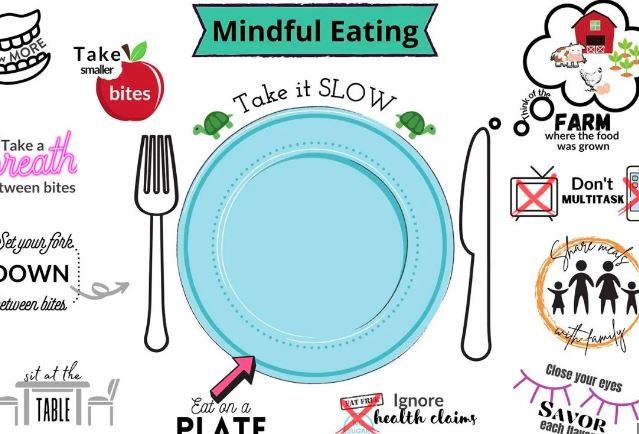
How to Eat Mindfully

Mindful eating is an approach that encourages you to be present, aware, and intentional while eating. It involves savoring your meals, recognizing your hunger cues, and appreciating the experience of eating. By practicing mindful eating, you can improve digestion, enjoy your food more, and cultivate a healthier relationship with it. Here are some tips to help you eat mindfully:

How to Eat Mindfully

  1. Create a Calm Eating Environment

– Eliminate Distractions: Turn off the TV, put away your phone, and minimize noise. Create a peaceful atmosphere that allows you to focus solely on your meal.

– Set the Table: Create a pleasant dining space with your favorite dishes, utensils, and a clean table. Even if you’re eating alone, make the setup special; it prepares your mind for the experience.

  1. Slow Down and Savor Your Food

– Chew Thoroughly: Take the time to chew each bite thoroughly. This enhances flavor, aids digestion, and encourages you to appreciate the textures and aromas of the food.

– Pause Between Bites: After swallowing, put your fork down for a moment. This pause helps signal to your brain that you’re eating and allows you to check in with your hunger.

  1. Engage Your Senses

– Look at Your Food: Take a moment to appreciate the colors, shapes, and presentation of your meal. This visual pleasure adds to the overall experience.

– Smell the Aromas: Before taking a bite, inhale the scents of your food. Smelling your meal activates your senses and enhances your enjoyment.

– Taste Mindfully: Notice the unique flavors and textures as you eat. Is it sweet, salty, crunchy, or creamy? Engaging with these sensations can make eating more pleasurable.

  1. Listen to Your Body

– Recognize Hunger Cues: Before eating, assess your hunger levels. Are you genuinely hungry, or are you eating out of boredom or habit?

– Eat Until Satisfied: Pay attention to your body as you eat. Stop when you feel comfortably full rather than forcing yourself to finish the meal. Learning to listen to your body’s signals is crucial to mindful eating.

  1. Practice Gratitude

– Express Gratitude: Take a moment to appreciate where your food comes from—the farmers, the environment, the preparation process, and the nourishment it provides. This gratitude can deepen your connection to your meals.

– Reflect on the Meal: After finishing your meal, take a brief moment to reflect on how you feel. Did you enjoy it? Did it satisfy your cravings? Recognizing these feelings helps reinforce the practice of mindful eating.

  1. Avoid Multitasking

– Focus on Eating: Eating while doing other tasks—such as working, scrolling on your phone, or watching television—can lead to mindless eating habits. Make your meals a dedicated time for eating, not a distraction from other activities.

  1. Eat with Others

– Share a Meal: When you eat with friends or family, take the opportunity to engage in conversation and share the experience. This social aspect of eating can enhance enjoyment and mindfulness.

  1. Experiment with Different Foods

– Try New Tastes: Explore new ingredients or cuisines to expand your palate. Trying new foods can make meals more exciting and help you to savor a wider variety of flavors and textures.

  1. Practice Meditation and Mindfulness in Daily Life

– Incorporate Breathing Exercises: Before you eat, take a few deep breaths to center yourself. This practice helps you transition from a busy mindset to one focused on the present moment.

– Meditation: Regular meditation can enhance your ability to be present during meals and make it easier to engage in mindful eating.

Conclusion

Mindful eating is a powerful practice that can transform your relationship with food, making meals more enjoyable and ultimately improving your overall well-being. By creating a calm environment, slowing down, engaging your senses, and listening to your body, you foster a healthier and more fulfilling eating experience. Remember, the goal of mindful eating is not just about the food itself, but the overall experience of nourishing your body and appreciating the act of eating. Start small by implementing one or two of these tips, and gradually build your mindful eating practice over time.

Categories
Health

The Benefits of Fermented Foods

Fermented foods have gained popularity in recent years, and for good reason. These foods undergo a natural fermentation process, which involves the transformation of sugars by bacteria, yeast, or other microorganisms. This process enhances the nutritional profile of the food and can produce a variety of health benefits. Here’s an overview of the benefits of fermented foods and why you might want to incorporate them into your diet.

The Benefits of Fermented Foods

  1. Probiotic Power

One of the most significant benefits of fermented foods is their rich probiotic content. Probiotics are beneficial bacteria that can promote a healthy gut microbiome. Some key benefits of probiotics include:

– Digestive Health: Probiotics can help balance the gut flora, potentially alleviating issues such as diarrhea, bloating, and irritable bowel syndrome (IBS).

– Immune Support: A healthy gut microbiome plays a crucial role in immune function. Probiotics can enhance the body’s resistance to infections and reduce the incidence of illnesses.

  1. Enhanced Nutrient Absorption

Fermentation increases the bioavailability of nutrients in foods, meaning your body can absorb more of the beneficial compounds. For example:

– Increased Vitamins: Fermentation can boost the levels of certain vitamins, such as B vitamins (including B12) and vitamin K2, which are important for energy metabolism and bone health, respectively.

– Mineral Absorption: The fermentation process helps break down compounds that inhibit the absorption of minerals like iron and calcium, making them more accessible to the body.

  1. Improved Digestion

Many people find fermented foods easier to digest compared to their non-fermented counterparts. This is because the fermentation process breaks down complex compounds:

– Lactose Reduction: Fermented dairy products, like yogurt and kefir, are lower in lactose because the fermentation process converts lactose into lactic acid. This can make them more tolerable for individuals with lactose intolerance.

– Fiber Breakdown: In some fermented vegetables, the fiber may be partially broken down, making them gentler on the digestive system.

  1. Mental Health Benefits

Emerging research suggests a strong connection between gut health and mental health, often referred to as the “gut-brain axis.” Probiotics from fermented foods may have a positive impact on mental well-being:

– Reduced Anxiety and Depression: Some studies indicate that probiotics may help reduce symptoms of anxiety and depression due to their impact on neurotransmitter production and inflammation.

– Cognitive Function: A healthy gut microbiome has been linked to improved cognitive function, mood regulation, and overall mental clarity.

  1. Weight Management and Metabolic Health

Fermented foods might aid in maintaining a healthy weight and improving metabolic health:

– Appetite Regulation: Probiotics can influence hormones responsible for appetite regulation, potentially helping to reduce cravings and promote feelings of fullness.

– Blood Sugar Control: Some studies indicate that fermented foods may help regulate blood sugar levels, which is beneficial for individuals managing diabetes or insulin resistance.

  1. Boosts Immune Function

A strong immune system depends on a healthy gut. Regular consumption of fermented foods can support your immune system through:

– Increased Production of Antibodies: Probiotics can enhance the production of antibodies and immune cells, improving your body’s ability to fight infections.

– Reduction of Inflammation: Fermented foods may have anti-inflammatory properties that can help reduce chronic inflammation and associated diseases.

  1. Variety and Flavor

Incorporating fermented foods into your diet can diversify your meals while adding unique flavors. Some popular fermented foods include:

– Yogurt and Kefir: Fermented dairy products that offer a creamy texture and tangy flavor.

– Sauerkraut and Kimchi: Fermented vegetables that add crunch and zing to salads, sandwiches, or bowls.

– Miso: A fermented soybean paste that enhances soups and dressings with umami flavor.

– Tempeh: Fermented soybeans that serve as a protein-rich meat substitute.

– Kombucha: A fermented tea beverage that is both refreshing and mildly effervescent.

Conclusion

Fermented foods are a delicious and nutritious addition to any diet, offering a myriad of health benefits, from improved digestion to enhanced mental health. With their rich probiotic content and ability to increase the bioavailability of nutrients, these foods can contribute to overall well-being and vitality. Whether you opt for yogurt, kimchi, kefir, or any other fermented delight, embracing these foods can support a healthier lifestyle. As always, incorporate them mindfully as part of a balanced diet for optimal health benefits!

Categories
Well-Being Wellness

How to Cope with Anxiety: Strategies and Techniques

Anxiety is a common experience that can impact various aspects of life, from work and relationships to daily routines. Fortunately, there are many effective strategies and techniques for managing and reducing anxiety. Here’s a guide to help you cope with anxiety healthily and productively:

How to Cope with Anxiety: Strategies and Techniques

**1. Understand Your Anxiety

  • Identify Triggers: Recognize situations, thoughts, or events that trigger your anxiety. Understanding your triggers can help you develop strategies to address them.
  • Acknowledge Your Feelings: Accept that feeling anxious is a natural response and part of the human experience. Avoid judging yourself for experiencing anxiety.

**2. Practice Relaxation Techniques

  • Deep Breathing: Engage in deep breathing exercises to calm your nervous system. Try inhaling slowly through your nose for a count of four, holding for four, and exhaling through your mouth for a count of four.
  • Progressive Muscle Relaxation: Tense and then slowly release different muscle groups in your body. This technique can help reduce physical tension associated with anxiety.
  • Visualization: Imagine a peaceful and relaxing place. Focus on the sights, sounds, and feelings associated with this place to promote relaxation.

**3. Adopt Healthy Lifestyle Habits

  • Regular Exercise: Engage in physical activities like walking, running, or yoga to boost your mood and reduce anxiety. Exercise helps release endorphins, which are natural mood lifters.
  • Balanced Diet: Eat a nutritious diet rich in fruits, vegetables, lean proteins, and whole grains. Avoid excessive caffeine and sugar, which can exacerbate anxiety.
  • Adequate Sleep: Aim for 7-9 hours of quality sleep each night. Establish a regular sleep routine and create a restful environment to improve sleep quality.

**4. Develop Mindfulness and Meditation Practices

  • Mindfulness: Practice mindfulness to stay present and focused. Techniques include mindful breathing, body scan exercises, and mindful observation of your thoughts and feelings without judgment.
  • Meditation: Incorporate meditation into your daily routine. Apps like Headspace or Calm can guide you through various meditation practices designed to reduce stress and anxiety.

**5. Challenge Negative Thoughts

  • Cognitive Restructuring: Identify and challenge negative or distorted thoughts. Replace them with more balanced and realistic thoughts to reduce anxiety.
  • Keep a Thought Journal: Write down your anxious thoughts and evaluate their accuracy. Reflect on alternative perspectives and positive affirmations.

**6. Establish a Support System

  • Talk to Someone: Share your feelings with a trusted friend, family member, or therapist. Talking about your anxiety can provide relief and offer new perspectives.
  • Join Support Groups: Consider joining a support group for individuals with similar experiences. Connecting with others who understand can be comforting and informative.

**7. Set Realistic Goals and Manage Stress

  • Break Tasks into Smaller Steps: Set achievable goals and break tasks into smaller, manageable steps to avoid feeling overwhelmed.
  • Practice Time Management: Use organizational tools and techniques to manage your time effectively and reduce stress. Prioritize tasks and set boundaries to maintain balance.

**8. Engage in Healthy Distractions

  • Pursue Hobbies: Engage in activities you enjoy, such as reading, painting, or gardening. Hobbies can provide a positive distraction and improve your overall well-being.
  • Socialize: Spend time with friends and family, participate in social activities, and engage in meaningful conversations to boost your mood.

**9. Seek Professional Help

  • Therapy: Consider speaking with a mental health professional, such as a therapist or counselor. Cognitive-behavioral therapy (CBT) and other therapeutic approaches can be effective in treating anxiety.
  • Medication: If your anxiety is severe or persistent, consult a healthcare provider about medication options. Medication should be considered as part of a comprehensive treatment plan.

**10. Practice Self-Compassion

  • Be Kind to Yourself: Treat yourself with compassion and understanding. Recognize that managing anxiety is a process and progress may take time.
  • Celebrate Small Wins: Acknowledge and celebrate your achievements, no matter how small. Each step forward is a positive step toward managing your anxiety.

Final Thoughts

Coping with anxiety involves a combination of strategies and techniques tailored to your individual needs and preferences. By incorporating these practices into your daily life, you can effectively manage and reduce anxiety, leading to improved overall well-being. Remember, seeking professional help and support is a valuable part of the journey toward managing anxiety and achieving a healthier, more balanced life.

Categories
Wellness

The Importance of Mental Health Awareness

Mental health awareness is crucial for promoting well-being, reducing stigma, and improving the quality of life for individuals and communities. Understanding and addressing mental health issues is essential for creating supportive environments where people can thrive. Here’s why mental health awareness is so important and how it can make a difference:

The Importance of Mental Health Awareness

**1. Reducing Stigma and Discrimination

  • Promote Understanding: Mental health awareness helps to educate people about mental health conditions, reducing misconceptions and stereotypes. This promotes empathy and understanding towards individuals facing mental health challenges.
  • Combat Discrimination: By increasing awareness, we can challenge and change discriminatory practices and attitudes that contribute to the marginalization of individuals with mental health issues.

**2. Encouraging Early Intervention

  • Identify Warning Signs: Awareness helps individuals recognize the early signs of mental health conditions, enabling them to seek help before issues become more severe.
  • Promote Preventive Measures: Educating people about mental health encourages preventive measures and proactive approaches to maintaining mental well-being.

**3. Supporting Access to Resources

  • Increase Accessibility: Raising awareness can lead to improved access to mental health resources and services. This includes therapy, counseling, and support groups that are essential for managing mental health conditions.
  • Promote Resource Utilization: Awareness campaigns can inform individuals about available resources, helping them navigate and utilize services effectively.

**4. Improving Quality of Life

  • Enhance Well-being: Mental health awareness contributes to better overall quality of life by promoting healthy coping strategies, self-care practices, and stress management techniques.
  • Support Personal Growth: Understanding mental health can empower individuals to take control of their mental well-being, leading to personal growth and improved life satisfaction.

**5. Fostering Supportive Environments

  • Create Safe Spaces: Awareness encourages the creation of environments where individuals feel safe discussing mental health issues without fear of judgment or reprisal.
  • Encourage Support Networks: By fostering a culture of openness, mental health awareness helps build strong support networks of family, friends, and colleagues.

**6. Addressing Workplace Mental Health

  • Promote Well-being at Work: Awareness in the workplace leads to better mental health practices, reducing stress and improving overall job satisfaction and productivity.
  • Implement Supportive Policies: Organizations can develop and implement mental health policies and programs, such as Employee Assistance Programs (EAPs) and mental health days.

**7. Enhancing Education and Advocacy

  • Educate Future Generations: Incorporating mental health education into school curriculums helps young people understand and manage their mental health from an early age.
  • Advocate for Change: Awareness drives advocacy efforts to influence policies and create systemic changes that support mental health care and services.

**8. Promoting Self-Care and Resilience

  • Encourage Self-Care: Awareness campaigns often include self-care strategies, such as mindfulness, exercise, and healthy eating, which contribute to maintaining mental health.
  • Build Resilience: Understanding mental health helps individuals develop resilience and coping skills to handle life’s challenges more effectively.

**9. Supporting Research and Development

  • Advancing Knowledge: Increased awareness can lead to more funding and support for mental health research, contributing to the development of better treatments and interventions.
  • Promote Innovation: Awareness can drive innovation in mental health care, leading to new approaches and solutions for managing mental health conditions.

**10. Encouraging Open Conversations

  • Normalize Discussions: Raising awareness helps normalize conversations about mental health, making it easier for individuals to share their experiences and seek help without feeling isolated.
  • Break Down Barriers: Open dialogue about mental health issues helps break down barriers to seeking help and reduces the sense of isolation that individuals may feel.

Final Thoughts

Mental health awareness is a vital component of building a supportive, inclusive, and healthy society. By promoting understanding, reducing stigma, and increasing access to resources, we can improve the lives of individuals and communities. Embracing mental health awareness not only benefits those directly affected but also strengthens the overall well-being of society. Through education, advocacy, and open conversations, we can foster a culture where mental health is prioritized and supported.

Categories
Health

How to Develop Healthy Coping Mechanisms

Life is filled with challenges, stressors, and unexpected events that can leave us feeling overwhelmed. Developing healthy coping mechanisms is essential for navigating these difficult times while maintaining our mental and emotional well-being. Rather than resorting to harmful behaviors, such as substance use or emotional avoidance, we can employ healthier strategies that promote resilience and growth. Here’s a guide on how to cultivate effective coping mechanisms.

How to Develop Healthy Coping Mechanisms

  1. Identify Your Triggers

Before developing coping strategies, it’s crucial to understand what specifically stresses you out. Take some time to reflect on situations, environments, or people that trigger negative emotions or reactions. Keeping a journal can be beneficial for tracking your feelings and identifying patterns. Once you recognize your triggers, you’ll be better equipped to tackle them effectively.

  1. Practice Mindfulness and Meditation

Mindfulness is the practice of being present and fully engaged in the moment. It helps reduce anxiety and increases self-awareness. Techniques such as meditation, deep breathing exercises, and yoga can help cultivate mindfulness. These practices allow you to pause and assess your feelings before reacting, enabling you to cope with stress in a more thoughtful way.

  1. Physical Activity

Exercise is a powerful stress-relief tool. Engaging in physical activity releases endorphins, which improve mood and reduce feelings of stress and anxiety. Whether it’s a brisk walk, a gym session, or a dance class, find an activity you enjoy and incorporate it into your routine. Regular physical activity also boosts your resilience to stressors over time.

  1. Establish a Support Network

A strong support system can serve as a buffer against stress. Reach out to friends, family, or support groups who understand your struggles. Sometimes, simply talking about your feelings can provide relief and perspective. Surrounding yourself with positive influences can help you cope with challenges more effectively.

  1. Develop Healthy Routines

Establishing a consistent routine can create a sense of stability and predictability, which is particularly important during uncertain times. Include regular sleep, balanced meals, exercise, and leisure activities in your daily schedule. A structured routine helps regulate your emotions and provides a framework for managing stress.

  1. Engage in Creative Outlets

Creative activities can serve as healthy distractions from stress and allow for emotional expression. Whether it’s painting, writing, playing music, or engaging in any other form of art, self-expression can provide relief and help you process your emotions. Set aside time for creative pursuits that resonate with you.

  1. Practice Self-Compassion

It’s essential to treat yourself with kindness and understanding, especially during challenging times. Practice self-compassion by acknowledging that everyone struggles and that it’s okay to experience pain or difficulty. Avoid negative self-talk and instead encourage yourself as you would a close friend. This shift in perspective can significantly alleviate stress and enhance emotional resilience.

  1. Limit Exposure to Stressors

While it’s impossible to eliminate all stressors, you can learn to limit your exposure to them when possible. For example, if certain news or social media feeds increase your anxiety, consider reducing your time spent consuming that content. Setting boundaries with people who drain your emotional energy can also create a healthier environment for coping.

  1. Seek Professional Help

Sometimes, the stress we experience can be overwhelming, and it may be beneficial to talk to a professional, such as a therapist or counselor. Professional support can provide valuable coping strategies tailored to your specific needs and situations. Therapy can also help identify deeper issues that may be contributing to stress and develop effective solutions.

  1. Practice Gratitude

Focusing on what you are grateful for can shift your perspective from what’s causing you stress to the positive aspects of your life. Consider starting a gratitude journal, where you jot down a few things you appreciate each day. This practice can help foster a more optimistic outlook, even during tough times.

 Conclusion

Developing healthy coping mechanisms is a vital skill that can bolster your resilience and support your mental health. By understanding your triggers, engaging in mindfulness, seeking support, and practicing self-compassion, you can navigate life’s challenges more effectively. While it may take time to cultivate these habits, the benefits will lead to a more balanced and fulfilling life. Remember, coping is a journey, and it’s okay to seek help along the way.

Categories
Well-Being Wellness

The Importance of Setting Boundaries

In today’s fast-paced world, where the lines between personal and professional lives have become increasingly blurred, the concept of boundaries often seems like a luxury few can afford. Yet, the ability to set clear boundaries is not only essential for personal well-being but also crucial for fostering healthy relationships in both our personal and professional spheres. By delineating where our responsibilities end and others begin, we create space for self-care, autonomy, and mutual respect.

Understanding Boundaries

At its core, a boundary is a personal guideline that defines how we allow others to treat us—and how we treat ourselves. Boundaries can be physical, emotional, or temporal, and they vary greatly from person to person. They might manifest as saying “no” to extra work when overwhelmed, limiting contact with those who drain our energy, or safeguarding our personal time for ourselves or loved ones. Effective boundaries establish a framework for healthy interactions, allowing us to nurture relationships that uplift rather than deplete us.

The Psychological Benefits of Boundaries

Setting boundaries is not merely a protective measure; it is a powerful act of self-advocacy. Research shows that individuals who assert their boundaries experience decreased anxiety, improved emotional health, and enhanced self-esteem. By learning to say “no” without guilt, we allow ourselves the freedom to prioritize our well-being. This practice helps prevent burnout, a common affliction in modern society, especially among caregivers and professionals juggling multiple responsibilities.

Improving Relationships

The importance of boundaries extends beyond our personal well-being—it also plays a significant role in the dynamics of our relationships. When we communicate our limits clearly, we foster an environment of respect and understanding. Healthy boundaries lead to honest conversations, reducing misunderstandings and resentments that often arise when one party feels overburdened or exploited. Moreover, practicing boundaries teaches those around us how to treat us, setting a precedent for mutual respect.

In the workplace, boundaries are particularly crucial. Many people struggle with the pressure to perform and meet expectations, often at the expense of their own needs. Setting professional boundaries can manifest as limiting after-hours communications, clarifying workload capacities, or establishing clear roles within a team. By asserting our needs, we contribute to a healthier work culture that values well-being, collaboration, and effective communication.

Practical Strategies for Setting Boundaries

  1. Know Your Limits: The first step in setting effective boundaries is understanding your own needs and limits. Reflect on what drains you and what energizes you, and establish clear goals for yourself.
  2. Communicate Clearly: Once you identify your boundaries, communicate them with kindness and assertiveness. Use “I” statements to express your needs without placing blame on others.
  3. Practice Saying No: Learning to say no is a critical skill in boundary setting. Remember, it’s okay to decline additional commitments that don’t align with your priorities or well-being.
  4. Be Consistent: Consistency is key when it comes to boundaries. Reiterate your limits when necessary, and be prepared to uphold them even when faced with resistance.
  5. Embrace Flexibility: While boundaries are important, it’s equally essential to be adaptable. Life can change rapidly, and being flexible allows for growth and the renegotiation of boundaries when required.

Conclusion

Setting boundaries is an empowering practice that fosters personal well-being, improves relationships, and enhances overall life satisfaction. As we navigate the complex demands of daily life, let us remember that our needs matter just as much as those of others. By embracing the importance of boundaries, we cultivate an environment where respect, understanding, and balance can thrive. In a world that often pushes us to our limits, setting boundaries isn’t just an act of self-care—it’s a vital skill for living a fulfilling and authentic life.

Categories
Wellness

How to Practice Self-Compassion

Practicing self-compassion involves extending kindness, understanding, and empathy towards yourself, particularly during challenging times or when facing personal setbacks. Here are some ways to cultivate self-compassion:

How to Practice Self-Compassion

  1. Mindfulness and self-awareness: Pay attention to your emotions, thoughts, and physical sensations without judgment. Recognize when you’re being hard on yourself and replace self-criticism with self-compassion.
  2. Self-talk and reframing: Replace negative self-talk with kind and supportive words. Treat yourself with the same warmth and encouragement you would offer a close friend facing similar struggles. Reframe failures or mistakes as learning experiences.
  3. Practice self-kindness: Treat yourself with care and compassion. Engage in activities that bring you joy, relaxation, or comfort. Take breaks when needed, prioritize self-care, and be gentle with yourself during difficult times.
  4. Cultivate a growth mindset: Embrace the understanding that mistakes and setbacks are part of the learning and growth process. See challenges as opportunities for growth and resilience rather than moments of personal failure.
  5. Connect with others: Seek support from loved ones or join communities where you can share your experiences and find understanding. Surround yourself with people who uplift and validate your feelings.
  6. Be aware of common humanity: Remember that you are not alone in experiencing difficulties or setbacks. Recognize that everyone encounters challenges, and it’s normal to have ups and downs in life.
  7. Engage in self-compassion exercises: Explore self-compassion exercises, such as writing a letter of self-compassion, self-compassion meditation, or practicing loving-kindness meditation towards yourself.
  8. Embrace imperfections: Embrace the fact that being human means being imperfect. Let go of unrealistic expectations and embrace self-acceptance. Celebrate your strengths and acknowledge progress, no matter how small.

Remember, self-compassion is a practice that takes time and effort to develop. Treat yourself with the same kindness, understanding, and support that you readily extend to others. By cultivating self-compassion, you can cultivate a healthier and more nurturing relationship with yourself.

Categories
Health Well-Being Wellness

The Role of Physical Activity in Mental Health

Physical activity plays a significant role in promoting and maintaining good mental health. Engaging in regular exercise has been shown to have numerous positive effects on mental well-being and can help alleviate symptoms of mental health conditions. Here are some key ways in which physical activity influences mental health:

The Role of Physical Activity in Mental Health

  1. Reduces symptoms of depression and anxiety: Exercise is known to stimulate the release of endorphins, often referred to as “feel-good” hormones, which can reduce symptoms of depression and anxiety. Regular physical activity has been shown to be as effective as some medications in treating mild to moderate depression.
  2. Boosts mood and promotes emotional well-being: Physical activity increases the production of serotonin, a neurotransmitter that helps regulate mood. Regular exercise can improve overall emotional well-being, increase self-esteem, and reduce stress levels. It can also provide a sense of accomplishment and purpose.
  3. Improves cognitive function: Physical activity has been linked to enhanced cognitive function, including improved memory, attention, and problem-solving skills. Exercise promotes neuroplasticity, which is the brain’s ability to adapt and grow, leading to increased mental flexibility and resilience.
  4. Alleviates stress: Physical activity can be an effective way to manage and reduce stress. Engaging in exercise helps release tension and relax both the body and mind. Regular exercise can also improve sleep quality, which further contributes to stress reduction.
  5. Enhances self-esteem and body image: Regular physical activity can improve body image and self-esteem, especially when combined with a healthy lifestyle. Achieving fitness goals and feeling physically strong can positively impact self-perception and confidence.
  6. Provides a social outlet: Many physical activities, such as group fitness classes or team sports, offer opportunities to connect with others and build social support networks. Social interaction and connectedness are important for mental well-being.

It’s important to note that while physical activity can be beneficial for mental health, it is not a substitute for professional mental health support. If you’re experiencing severe or persistent mental health issues, it’s crucial to seek guidance from a healthcare professional.

Incorporating regular exercise into your routine, whether it’s through walking, jogging, dancing, yoga, or any other physical activity you enjoy, can play a significant role in supporting your mental health. Start with small, achievable goals and gradually increase your activity level to experience the positive effects on your overall well-being.