
Categories
Health Wellness

The Benefits of Outdoor Activities for Mental Health

Engaging in outdoor activities can significantly boost mental health and overall well-being. Nature and outdoor environments provide unique benefits that contribute to improved mood, reduced stress, and enhanced cognitive function. Here’s an exploration of how outdoor activities positively impact mental health:

The Benefits of Outdoor Activities for Mental Health

1. Reducing Stress and Anxiety

1.1. Natural Relaxation

  • Stress Reduction: Spending time in natural settings has been shown to lower levels of cortisol, a stress hormone. The tranquility of nature promotes relaxation and helps reduce anxiety.
  • Mindfulness: Outdoor environments encourage mindfulness and presence, helping individuals disconnect from daily stressors and focus on the present moment.

1.2. Fresh Air and Physical Activity

  • Oxygen Flow: Breathing fresh air in natural settings can improve oxygen flow and increase energy levels, contributing to a sense of well-being.
  • Exercise Benefits: Physical activities like hiking, cycling, or jogging release endorphins, which are natural mood lifters that help alleviate anxiety and stress.

2. Enhancing Mood and Emotional Well-Being

2.1. Exposure to Sunlight

  • Vitamin D: Sunlight exposure boosts vitamin D levels, which is essential for mood regulation and overall mental health. Vitamin D deficiency has been linked to increased risk of depression.
  • Serotonin Production: Sunlight can increase serotonin levels in the brain, contributing to improved mood and a sense of well-being.

2.2. Connection with Nature

  • Mood Improvement: Studies show that spending time in nature can lead to improved mood, reduced symptoms of depression, and a greater sense of life satisfaction.
  • Nature’s Healing Effects: Natural environments often provide a sense of peace and calm, which can counteract feelings of sadness or irritability.

3. Boosting Cognitive Function

3.1. Enhanced Focus and Concentration

  • Attention Restoration: Outdoor activities, particularly in natural settings, can help restore attention and improve concentration. Nature walks and green spaces provide cognitive breaks from mental fatigue.
  • Creativity Boost: Engaging with nature can stimulate creativity and problem-solving skills, as natural environments often inspire new ideas and perspectives.

3.2. Mental Clarity

  • Reduced Mental Fatigue: Time spent outdoors helps clear mental clutter and reduce cognitive overload, leading to better mental clarity and decision-making.
  • Improved Memory: Regular outdoor activities have been associated with enhanced memory and learning abilities, partly due to the mental relaxation and reduced stress experienced in nature.

4. Promoting Social Interaction and Support

4.1. Social Connection

  • Group Activities: Outdoor activities, such as group sports, hiking, or picnics, provide opportunities for social interaction and bonding, which can enhance feelings of connection and support.
  • Shared Experiences: Engaging in outdoor experiences with others fosters a sense of community and belonging, which is important for mental well-being.

4.2. Family and Friend Time

  • Quality Time: Spending time outdoors with family and friends strengthens relationships and creates positive, shared experiences that contribute to emotional well-being.

5. Encouraging Healthy Lifestyle Habits

5.1. Regular Exercise

  • Physical Health Benefits: Outdoor activities often involve physical exercise, which is known to improve mental health by reducing symptoms of depression and anxiety.
  • Routine Building: Establishing a routine of outdoor exercise can promote long-term mental health benefits and encourage a healthier lifestyle.

5.2. Balanced Lifestyle

  • Work-Life Balance: Incorporating outdoor activities into your routine helps balance work and leisure, promoting a healthier and more fulfilling lifestyle.
  • Engagement with Nature: Regular outdoor activities foster a connection with nature, encouraging a lifestyle that values and prioritizes well-being.

6. Tips for Incorporating Outdoor Activities

6.1. Find Activities You Enjoy

  • Explore Options: Try different outdoor activities to find what you enjoy most, whether it’s hiking, gardening, cycling, or simply walking in the park.
  • Set Goals: Set achievable goals for incorporating outdoor activities into your routine, such as taking a daily walk or participating in a weekly outdoor class.

6.2. Prioritize Safety and Comfort

  • Appropriate Gear: Wear suitable clothing and footwear for the weather and activity to ensure a comfortable and enjoyable experience.
  • Stay Hydrated: Drink plenty of water and take breaks as needed to stay hydrated and energized during outdoor activities.

6.3. Make It a Habit

  • Regular Schedule: Aim to include outdoor activities in your daily or weekly routine to reap the full benefits for mental health.
  • Join Groups: Consider joining outdoor clubs or groups to stay motivated and make outdoor activities a regular part of your life.

Conclusion

Outdoor activities offer a multitude of mental health benefits, including reduced stress, enhanced mood, improved cognitive function, and increased social interaction. By incorporating more time in nature and engaging in physical activities, you can support your mental well-being and foster a healthier, more balanced lifestyle. Whether it’s a nature walk, a weekend hike, or simply spending time in a park, the positive effects of outdoor activities on mental health are well worth exploring.


Categories
Health

Importance of Regular Mental Health Check-Ins

Mental health is a crucial aspect of overall well-being, and regular check-ins can play a significant role in maintaining and improving mental health. Here’s why regular mental health check-ins are important and how they can benefit you:

The Importance of Regular Mental Health Check-Ins

1. Early Detection of Issues

1.1 Identifying Problems Early:

  • Action: Regular check-ins help you identify early signs of mental health issues, such as anxiety, depression, or stress.
  • Benefit: Early detection allows for timely intervention and can prevent more severe problems from developing.

1.2 Monitoring Changes:

  • Action: Keeping track of your mental health over time helps you notice changes or patterns that may indicate a problem.
  • Benefit: Awareness of these changes facilitates prompt action and adjustment of coping strategies or treatment.

2. Promoting Self-Awareness

2.1 Understanding Your Emotions:

  • Action: Regular check-ins encourage you to reflect on your feelings, thoughts, and behaviors.
  • Benefit: This self-awareness helps you understand your emotional triggers and develop strategies to manage them effectively.

2.2 Recognizing Achievements and Challenges:

  • Action: Evaluating your mental health regularly helps you acknowledge progress and setbacks.
  • Benefit: Recognizing achievements boosts confidence, while understanding challenges enables you to address them proactively.

3. Enhancing Emotional Regulation

3.1 Developing Coping Strategies:

  • Action: Regular check-ins provide an opportunity to assess the effectiveness of your coping strategies and make necessary adjustments.
  • Benefit: Improved emotional regulation helps manage stress, anxiety, and other emotional challenges more effectively.

3.2 Building Resilience:

  • Action: By routinely evaluating your mental health, you can identify areas where resilience can be strengthened.
  • Benefit: Building resilience helps you handle future stressors and setbacks with greater ease.

4. Improving Relationships

4.1 Enhancing Communication:

  • Action: Regular check-ins can improve communication with friends, family, and mental health professionals about your needs and concerns.
  • Benefit: Better communication fosters supportive relationships and reduces misunderstandings.

4.2 Strengthening Support Networks:

  • Action: Sharing your mental health status with trusted individuals helps build a network of support.
  • Benefit: A strong support network provides emotional assistance and encouragement during challenging times.

5. Encouraging Professional Help

5.1 Seeking Appropriate Support:

  • Action: Regular check-ins may highlight the need for professional help, such as therapy or counseling.
  • Benefit: Professional support provides specialized tools and strategies for managing mental health issues effectively.

5.2 Monitoring Treatment Progress:

  • Action: If you are receiving treatment, regular check-ins help track progress and adjust treatment plans as needed.
  • Benefit: Monitoring treatment effectiveness ensures that you are receiving the most appropriate care for your needs.

6. Enhancing Overall Well-Being

6.1 Promoting Healthy Habits:

  • Action: Regular mental health check-ins encourage the adoption of healthy habits, such as regular exercise, balanced nutrition, and adequate sleep.
  • Benefit: Healthy habits contribute to overall well-being and mental health stability.

6.2 Setting and Achieving Goals:

  • Action: Check-ins provide an opportunity to set and evaluate personal goals related to mental health and well-being.
  • Benefit: Achieving these goals boosts self-esteem and contributes to a sense of accomplishment.

7. Reducing Stigma

7.1 Normalizing Mental Health Discussions:

  • Action: Regularly discussing mental health helps normalize these conversations and reduce stigma.
  • Benefit: Reducing stigma encourages more individuals to seek help and prioritize their mental health.

7.2 Promoting Awareness:

  • Action: Engaging in regular mental health check-ins increases awareness of mental health issues and available resources.
  • Benefit: Greater awareness helps individuals make informed decisions about their mental health care.

How to Implement Regular Mental Health Check-Ins

  1. Schedule Regular Check-Ins:
  • Action: Set aside specific times for self-reflection, journaling, or discussing your mental health with a trusted person.
  • Benefit: Regular scheduling ensures that mental health check-ins become a consistent part of your routine.
  1. Use Tools and Resources:
  • Action: Utilize mental health apps, journals, or mood trackers to help monitor and evaluate your mental health.
  • Benefit: Tools and resources provide structured ways to track changes and progress.
  1. Seek Professional Support:
  • Action: Consider working with a mental health professional for regular sessions or check-ins.
  • Benefit: Professional guidance offers expert insights and tailored support for your mental health needs.

Conclusion

Regular mental health check-ins are vital for maintaining and improving mental well-being. By identifying issues early, promoting self-awareness, enhancing emotional regulation, improving relationships, encouraging professional help, and reducing stigma, check-ins play a crucial role in supporting overall health. Incorporating regular mental health evaluations into your routine can lead to a more balanced and fulfilling life, fostering resilience and well-being.

Categories
Health

How to Read Nutrition Labels: A Beginner’s Guide

Understanding how to read nutrition labels is essential for making informed food choices and maintaining a healthy diet. Nutrition labels provide crucial information about the contents of the food you consume, including calories, nutrients, and serving sizes. Here’s a step-by-step guide to help you navigate nutrition labels effectively.

How to Read Nutrition Labels: A Beginner’s Guide

  1. Start with the Serving Size 

–  What It Is : The serving size indicates the amount of the product that is considered one portion. It’s usually listed in both standard measurements (cups, ounces) and metric (grams).

–  Why It Matters : All the nutritional information on the label is based on this serving size. If you eat more or less than the stated serving, you’ll need to adjust the nutritional values accordingly.

  1. Check the Total Calories 

–  What It Is : This section shows the number of calories per serving.

–  Why It Matters : Understanding the calorie content helps you manage your energy intake, especially if you are trying to lose, maintain, or gain weight. Pay attention to how many servings are in the package to accurately assess your total calorie consumption.

  1. Look at the Nutrients 

Nutrition labels list various nutrients, typically broken down into two categories: essential nutrients and those to limit.

–  Essential Nutrients :

–  Total Fat : Look at the amount of total fat and the types of fats (saturated and trans fats). Aim to limit saturated fats and avoid trans fats.

–  Cholesterol : A lower cholesterol content is often preferable for heart health.

–  Sodium : High sodium intake can lead to health issues, so aim for lower amounts.

–  Total Carbohydrates : This includes sugars and dietary fiber. Pay attention to sugar content and aim for whole grains and fiber-rich foods.

–  Protein : Essential for muscle repair and growth. Choose sources that offer healthier fats and lower sugars.

–  Nutrients to Limit :

– Generally, you should try to limit saturated fats, trans fats, cholesterol, and sodium.

–  Nutrients to Encourage :

– Focus on getting enough dietary fiber, vitamins (like A and C), and minerals (like calcium and iron) as they contribute to overall health.

  1. Understand % Daily Value (%DV) 

–  What It Is : The % Daily Value tells you how much a nutrient in a serving of food contributes to a daily diet, based on a daily intake of 2,000 calories.

–  Why It Matters : Use this percentage to gauge if the food item is high or low in various nutrients.

–  5% DV or less  is considered low for nutrients you want to limit.

–  20% DV or more  is considered high for nutrients you want to include more of in your diet.

  1. Watch Out for Added Sugars 

– Many products now include a specific line for “Added Sugars,” distinguishing it from naturally occurring sugars found in fruits and dairy.

–  Why It Matters : Reducing added sugars is important for managing weight and overall health, as excessive sugar consumption is linked to multiple health issues, including heart disease and diabetes.

  1. Ingredient List 

–  What It Is : Ingredients are listed in order of weight, meaning the first ingredient is what the product contains the most of.

–  Why It Matters : Checking the ingredient list can help you identify unhealthy additives, preservatives, and identify whole foods versus processed foods. Aim for products with whole, recognizable ingredients and avoid those with a long list of unrecognizable additives.

  1. Allergens and Special Diet Notes 

– Look for allergen information, which must indicate common allergens such as milk, eggs, peanuts, tree nuts, fish, shellfish, soy, and wheat. Some labels also include information for gluten-free options or whether the product is vegan or vegetarian.

 Conclusion

By learning how to read nutrition labels, you empower yourself to make informed choices about the food you eat. Start incorporating this knowledge into your shopping habits, and you’ll be on your way to better health through mindful eating. Remember, it takes practice, so don’t hesitate to take your time and refer to labels as you navigate your dietary choices!

Categories
Health

The Impact of Sugar on Your Health

Sugar is a common ingredient that finds its way into many foods and beverages, often without us realizing it. While it can add sweetness and flavor to our diets, excessive sugar consumption poses significant health risks. Understanding the different types of sugar, its effects on the body, and how to manage sugar intake can help you lead a healthier lifestyle. Here’s an overview of the impacts of sugar on your health.

The Impact of Sugar on Your Health

 Types of Sugar

  1. Natural Sugars : These are found naturally in fruits, vegetables, and dairy, and come with essential nutrients, fiber, and water. Examples include fructose (in fruits) and lactose (in milk).
  2. Added Sugars : These are sugars that are added to foods during processing or preparation. They are present in many processed products, including sugary drinks, candies, baked goods, and sauces.
  3. Refined Sugars : Common sources include white sugar and high-fructose corn syrup. These sugars are stripped of their nutritional value during processing and offer empty calories without providing any essential nutrients.

 Negative Health Effects of Excessive Sugar Intake

  1. Weight Gain and Obesity : One of the most significant impacts of high sugar consumption is weight gain. Sugary foods and beverages are calorie-dense and do not provide lasting satiety, leading to excessive calorie intake. Over time, this can result in obesity and related health complications.
  2. Increased Risk of Chronic Diseases :

–  Diabetes : High sugar intake has been linked to an increased risk of developing type 2 diabetes. Sugars can lead to insulin resistance, a condition that can progress to diabetes over time.

–  Heart Disease : Excessive sugar consumption may contribute to heart disease through mechanisms such as obesity, inflammation, high blood pressure, and elevated triglyceride levels.

–  Fatty Liver Disease : Sugar, particularly fructose, is linked to non-alcoholic fatty liver disease (NAFLD), where fat builds up in the liver and can lead to significant liver damage.

  1. Dental Problems : Sugars are a primary contributor to dental decay. Bacteria in the mouth feed on sugar and produce acid that erodes tooth enamel, leading to cavities and gum disease.
  2. Mood and Mental Health : There is evidence to suggest that high sugar intake can affect mood and mental health. Excess sugar can lead to spikes and crashes in blood sugar levels, which can cause mood swings, irritability, and fatigue. Some studies have also linked high sugar consumption to an increased risk of depression and anxiety.
  3. Skin Aging : High sugar levels can lead to glycation, a process where sugar molecules bind to proteins in the body, forming advanced glycation end products (AGEs). AGEs can damage collagen and elastin, leading to premature skin aging and loss of elasticity.

 Recommendations for Sugar Intake

  1. Limit Added Sugars : According to the American Heart Association, women should limit added sugars to no more than 6 teaspoons (25 grams) per day, while men should aim for no more than 9 teaspoons (38 grams) per day.
  2. Read Labels : Become an avid reader of nutrition labels. Look for hidden sugars in processed foods by checking the ingredient list for terms like sucrose, glucose, fructose, and corn syrup.
  3. Choose Natural Sources : Opt for natural sources of sugar, such as fruits and dairy, which come with vitamins, minerals, and fiber. These foods promote better health and help maintain stable blood sugar levels.
  4. Stay Hydrated : Often, we confuse thirst with hunger. Drinking water instead of sugary beverages can help reduce sugar intake significantly.
  5. Mindful Eating : Practice mindful eating to enhance awareness of your food choices. Eating slowly and paying attention to hunger cues can help you resist sugary snacks and desserts.

 Conclusion

The impact of sugar on health is multifaceted, with excessive intake linked to various health issues, including obesity, diabetes, heart disease, dental problems, and mood disorders. By being aware of the types of sugar in your diet and implementing strategies to reduce added sugars, you can significantly improve your overall health and well-being. Making informed dietary choices is key to managing sugar consumption and enjoying a balanced, nutritious diet. Remember, moderation is essential—embracing a healthy lifestyle that includes a thoughtful approach to sugar can lead to lasting health benefits.

Categories
Health

How to Choose Healthy Fats

Fats are an essential part of a balanced diet, providing energy, supporting cell growth, aiding in nutrient absorption, and playing a vital role in hormone production. However, not all fats are created equal. Making informed choices about the types of fats you consume can greatly impact your health. Here’s a comprehensive guide on how to choose healthy fats.

How to Choose Healthy Fats

  1. Understand the Different Types of Fats

Fats can be classified into several categories, each with distinct characteristics and health effects:

– Unsaturated Fats: These are considered the healthiest fats and are typically liquid at room temperature. They can be further divided into:

– Monounsaturated Fats: Found in olive oil, avocados, nuts, and seeds, these fats can help reduce bad cholesterol levels and are associated with a lower risk of heart disease.

– Polyunsaturated Fats: These fats include omega-3 and omega-6 fatty acids and are found in fatty fish, walnuts, flaxseeds, and sunflower seeds. Omega-3s are particularly beneficial for heart health and reducing inflammation.

– Saturated Fats: Usually solid at room temperature, saturated fats are found in animal products (like red meat and full-fat dairy) and some tropical oils (such as coconut and palm oil). While recent research suggests that moderate consumption of saturated fats may be acceptable, it’s still recommended to limit excessive intake.

– Trans Fats: These are artificially created fats found in partially hydrogenated oils. Trans fats can increase bad cholesterol levels while decreasing good cholesterol levels, leading to an increased risk of heart disease. It’s best to avoid trans fats altogether.

  1. Choose Whole Food Sources of Healthy Fats

When selecting fats, prioritize whole food sources over processed options:

– Healthy Oils: Use extra virgin olive oil, avocado oil, or coconut oil for cooking and salad dressings. These oils provide beneficial nutrients and flavors.

– Fatty Fish: Incorporate fatty fish such as salmon, mackerel, sardines, and trout into your diet at least twice a week. These fish are rich in omega-3 fatty acids.

– Nuts and Seeds: Grab a handful of almonds, walnuts, chia seeds, or flaxseeds as snacks or add them to meals for healthy fat and protein.

– Avocados: Load up on this creamy fruit—avocados are rich in monounsaturated fats and provide fiber and various vitamins.

  1. Read Nutrition Labels

When purchasing packaged foods, pay attention to nutrition labels to avoid unhealthy fats:

– Watch for Trans Fats: Look for “0 grams trans fat” on labels. Even if the label claims zero trans fats, check the ingredient list for “partially hydrogenated oil,” which indicates the presence of trans fats.

– Check Saturated Fat Content: Pay attention to the saturated fat content. Opt for products that contain low levels of saturated fats.

– Healthy Ingredients: Look for products that use nuts, seeds, or healthy oils as their primary sources of fat, rather than processed or artificial fats.

  1. Understand Portion Sizes

While healthy fats are beneficial, they are still calorie-dense. Keep portion sizes in check:

– Use Measuring Tools: If you’re unsure about portion sizes, consider using measuring cups or a scale to help control how much healthy fat you’re adding to your meals.

– Balance Your Plate: Incorporate healthy fats as part of a balanced meal with a variety of other nutrients. For example, combine healthy oils with vegetables, lean proteins, and whole grains.

  1. Cook Mindfully

The way you prepare your food can impact the type and amount of fat you consume:

– Opt for Healthier Cooking Methods: Use methods such as grilling, baking, steaming, or sautéing instead of frying foods. This approach helps limit the amount of added fat.

– Limit Oil Use: When cooking, use only the amount of oil necessary to achieve desired results. Experiment with herbs and spices for flavor without added fat.

  1. Stay Informed About Recent Research

Nutritional science is continually evolving. Stay informed about current research and guidelines regarding dietary fats to make well-informed decisions:

– Follow Reliable Sources: Rely on reputable nutrition organizations and registered dietitians for accurate information about healthy fats.

Conclusion

Choosing healthy fats is essential for overall health and well-being. By understanding the different types of fats, selecting whole food sources, reading labels, managing portion sizes, cooking mindfully, and staying informed, you can incorporate dietary fats that support your health objectives. Remember, moderation is key, and balance within your overall diet is essential for achieving optimal health.

Categories
Health

The Importance of Protein in Your Diet

Protein is a vital macronutrient that plays a crucial role in maintaining overall health and well-being. As one of the three primary macronutrients, alongside carbohydrates and fats, protein is essential for various bodily functions. Here’s a look at why protein is important, its various functions in the body, rich sources, and how to incorporate it into your diet effectively.

The Importance of Protein in Your Diet

  1. Building Blocks of the Body

Proteins are made up of amino acids, which are often referred to as the building blocks of life. There are 20 different amino acids, 9 of which are considered essential, meaning they must be obtained from your diet because the body cannot produce them. Proteins are critical for:

– Tissue Repair and Growth: Protein is essential for repairing tissues and building new cells, making it particularly important for athletes, people recovering from injuries, and growing children.

– Muscle Development: Protein plays a key role in muscle growth and repair. Adequate protein intake is crucial for maintaining muscle mass, especially as we age.

  1. Supporting Immune Function

Proteins are essential for the immune system’s functioning. Antibodies, which are specialized proteins, help the body fight off infections and illnesses by identifying and neutralizing pathogens like bacteria and viruses.

  1. Enzymatic Reactions

Many enzymes, which are proteins, catalyze biochemical reactions in the body, ranging from digestion to energy production. These enzymes are necessary for metabolic processes that convert food into energy and support various bodily functions.

  1. Hormonal Balance

Certain hormones, such as insulin and glucagon, are proteins that play a significant role in regulating bodily functions, including blood sugar levels, metabolism, and growth. Adequate protein intake can aid hormonal health and balance.

  1. Satiety and Weight Management

High-protein foods can help promote feelings of fullness, which may assist in weight management. Protein has a higher thermic effect than carbohydrates and fats, meaning it requires more energy to digest and metabolize, which can help with calorie control.

  1. Improved Metabolic Rate

Including protein-rich foods in your diet can boost your metabolic rate. Protein consumption can lead to increased energy expenditure as the body uses more energy to process protein compared to carbohydrates and fats.

  1. Sources of Protein

A variety of foods can provide protein, whether you’re following a meat-based or plant-based diet:

– Animal Sources: Lean meats (chicken, turkey, beef), fish, eggs, dairy products (milk, cheese, yogurt).

– Plant Sources: Legumes (beans, lentils), nuts and seeds (almonds, chia seeds), whole grains (quinoa, brown rice), and soy products (tofu, tempeh).

  1. Incorporating Protein into Your Diet

To ensure that you’re getting adequate protein in your diet, consider the following tips:

– Diversify Your Sources: Incorporate a variety of protein sources to ensure you’re getting all essential amino acids, especially if you follow a plant-based diet.

– Prioritize Protein at Meals: Make protein a priority during each meal. Include a serving of protein in breakfast (e.g., eggs or Greek yogurt), lunch (e.g., grilled chicken or beans), and dinner (e.g., fish or lentil stew).

– Healthy Snacks: Choose protein-rich snacks such as nuts, seeds, or protein bars to keep your energy levels stable throughout the day.

– Meal Prep: Consider preparing meals in advance that include balanced portions of protein, carbohydrates, and fats. This can make it easier to stick to your dietary goals.

Conclusion

Incorporating adequate protein into your diet is essential for maintaining good health, supporting muscle growth, enhancing immune function, and promoting balanced hormone levels. Understanding the importance of protein and making conscious choices about dietary sources can lead to improved overall well-being. Whether through animal or plant-based sources, prioritizing protein can help meet your nutritional needs and contribute to a healthy lifestyle.

Categories
Health

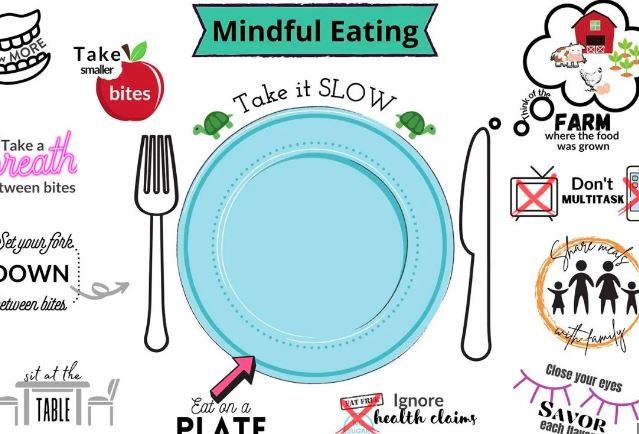
How to Eat Mindfully

Mindful eating is an approach that encourages you to be present, aware, and intentional while eating. It involves savoring your meals, recognizing your hunger cues, and appreciating the experience of eating. By practicing mindful eating, you can improve digestion, enjoy your food more, and cultivate a healthier relationship with it. Here are some tips to help you eat mindfully:

How to Eat Mindfully

  1. Create a Calm Eating Environment

– Eliminate Distractions: Turn off the TV, put away your phone, and minimize noise. Create a peaceful atmosphere that allows you to focus solely on your meal.

– Set the Table: Create a pleasant dining space with your favorite dishes, utensils, and a clean table. Even if you’re eating alone, make the setup special; it prepares your mind for the experience.

  1. Slow Down and Savor Your Food

– Chew Thoroughly: Take the time to chew each bite thoroughly. This enhances flavor, aids digestion, and encourages you to appreciate the textures and aromas of the food.

– Pause Between Bites: After swallowing, put your fork down for a moment. This pause helps signal to your brain that you’re eating and allows you to check in with your hunger.

  1. Engage Your Senses

– Look at Your Food: Take a moment to appreciate the colors, shapes, and presentation of your meal. This visual pleasure adds to the overall experience.

– Smell the Aromas: Before taking a bite, inhale the scents of your food. Smelling your meal activates your senses and enhances your enjoyment.

– Taste Mindfully: Notice the unique flavors and textures as you eat. Is it sweet, salty, crunchy, or creamy? Engaging with these sensations can make eating more pleasurable.

  1. Listen to Your Body

– Recognize Hunger Cues: Before eating, assess your hunger levels. Are you genuinely hungry, or are you eating out of boredom or habit?

– Eat Until Satisfied: Pay attention to your body as you eat. Stop when you feel comfortably full rather than forcing yourself to finish the meal. Learning to listen to your body’s signals is crucial to mindful eating.

  1. Practice Gratitude

– Express Gratitude: Take a moment to appreciate where your food comes from—the farmers, the environment, the preparation process, and the nourishment it provides. This gratitude can deepen your connection to your meals.

– Reflect on the Meal: After finishing your meal, take a brief moment to reflect on how you feel. Did you enjoy it? Did it satisfy your cravings? Recognizing these feelings helps reinforce the practice of mindful eating.

  1. Avoid Multitasking

– Focus on Eating: Eating while doing other tasks—such as working, scrolling on your phone, or watching television—can lead to mindless eating habits. Make your meals a dedicated time for eating, not a distraction from other activities.

  1. Eat with Others

– Share a Meal: When you eat with friends or family, take the opportunity to engage in conversation and share the experience. This social aspect of eating can enhance enjoyment and mindfulness.

  1. Experiment with Different Foods

– Try New Tastes: Explore new ingredients or cuisines to expand your palate. Trying new foods can make meals more exciting and help you to savor a wider variety of flavors and textures.

  1. Practice Meditation and Mindfulness in Daily Life

– Incorporate Breathing Exercises: Before you eat, take a few deep breaths to center yourself. This practice helps you transition from a busy mindset to one focused on the present moment.

– Meditation: Regular meditation can enhance your ability to be present during meals and make it easier to engage in mindful eating.

Conclusion

Mindful eating is a powerful practice that can transform your relationship with food, making meals more enjoyable and ultimately improving your overall well-being. By creating a calm environment, slowing down, engaging your senses, and listening to your body, you foster a healthier and more fulfilling eating experience. Remember, the goal of mindful eating is not just about the food itself, but the overall experience of nourishing your body and appreciating the act of eating. Start small by implementing one or two of these tips, and gradually build your mindful eating practice over time.

Categories
Health

The Benefits of Fermented Foods

Fermented foods have gained popularity in recent years, and for good reason. These foods undergo a natural fermentation process, which involves the transformation of sugars by bacteria, yeast, or other microorganisms. This process enhances the nutritional profile of the food and can produce a variety of health benefits. Here’s an overview of the benefits of fermented foods and why you might want to incorporate them into your diet.

The Benefits of Fermented Foods

  1. Probiotic Power

One of the most significant benefits of fermented foods is their rich probiotic content. Probiotics are beneficial bacteria that can promote a healthy gut microbiome. Some key benefits of probiotics include:

– Digestive Health: Probiotics can help balance the gut flora, potentially alleviating issues such as diarrhea, bloating, and irritable bowel syndrome (IBS).

– Immune Support: A healthy gut microbiome plays a crucial role in immune function. Probiotics can enhance the body’s resistance to infections and reduce the incidence of illnesses.

  1. Enhanced Nutrient Absorption

Fermentation increases the bioavailability of nutrients in foods, meaning your body can absorb more of the beneficial compounds. For example:

– Increased Vitamins: Fermentation can boost the levels of certain vitamins, such as B vitamins (including B12) and vitamin K2, which are important for energy metabolism and bone health, respectively.

– Mineral Absorption: The fermentation process helps break down compounds that inhibit the absorption of minerals like iron and calcium, making them more accessible to the body.

  1. Improved Digestion

Many people find fermented foods easier to digest compared to their non-fermented counterparts. This is because the fermentation process breaks down complex compounds:

– Lactose Reduction: Fermented dairy products, like yogurt and kefir, are lower in lactose because the fermentation process converts lactose into lactic acid. This can make them more tolerable for individuals with lactose intolerance.

– Fiber Breakdown: In some fermented vegetables, the fiber may be partially broken down, making them gentler on the digestive system.

  1. Mental Health Benefits

Emerging research suggests a strong connection between gut health and mental health, often referred to as the “gut-brain axis.” Probiotics from fermented foods may have a positive impact on mental well-being:

– Reduced Anxiety and Depression: Some studies indicate that probiotics may help reduce symptoms of anxiety and depression due to their impact on neurotransmitter production and inflammation.

– Cognitive Function: A healthy gut microbiome has been linked to improved cognitive function, mood regulation, and overall mental clarity.

  1. Weight Management and Metabolic Health

Fermented foods might aid in maintaining a healthy weight and improving metabolic health:

– Appetite Regulation: Probiotics can influence hormones responsible for appetite regulation, potentially helping to reduce cravings and promote feelings of fullness.

– Blood Sugar Control: Some studies indicate that fermented foods may help regulate blood sugar levels, which is beneficial for individuals managing diabetes or insulin resistance.

  1. Boosts Immune Function

A strong immune system depends on a healthy gut. Regular consumption of fermented foods can support your immune system through:

– Increased Production of Antibodies: Probiotics can enhance the production of antibodies and immune cells, improving your body’s ability to fight infections.

– Reduction of Inflammation: Fermented foods may have anti-inflammatory properties that can help reduce chronic inflammation and associated diseases.

  1. Variety and Flavor

Incorporating fermented foods into your diet can diversify your meals while adding unique flavors. Some popular fermented foods include:

– Yogurt and Kefir: Fermented dairy products that offer a creamy texture and tangy flavor.

– Sauerkraut and Kimchi: Fermented vegetables that add crunch and zing to salads, sandwiches, or bowls.

– Miso: A fermented soybean paste that enhances soups and dressings with umami flavor.

– Tempeh: Fermented soybeans that serve as a protein-rich meat substitute.

– Kombucha: A fermented tea beverage that is both refreshing and mildly effervescent.

Conclusion

Fermented foods are a delicious and nutritious addition to any diet, offering a myriad of health benefits, from improved digestion to enhanced mental health. With their rich probiotic content and ability to increase the bioavailability of nutrients, these foods can contribute to overall well-being and vitality. Whether you opt for yogurt, kimchi, kefir, or any other fermented delight, embracing these foods can support a healthier lifestyle. As always, incorporate them mindfully as part of a balanced diet for optimal health benefits!

Categories
Health

How to Develop Healthy Coping Mechanisms

Life is filled with challenges, stressors, and unexpected events that can leave us feeling overwhelmed. Developing healthy coping mechanisms is essential for navigating these difficult times while maintaining our mental and emotional well-being. Rather than resorting to harmful behaviors, such as substance use or emotional avoidance, we can employ healthier strategies that promote resilience and growth. Here’s a guide on how to cultivate effective coping mechanisms.

How to Develop Healthy Coping Mechanisms

  1. Identify Your Triggers

Before developing coping strategies, it’s crucial to understand what specifically stresses you out. Take some time to reflect on situations, environments, or people that trigger negative emotions or reactions. Keeping a journal can be beneficial for tracking your feelings and identifying patterns. Once you recognize your triggers, you’ll be better equipped to tackle them effectively.

  1. Practice Mindfulness and Meditation

Mindfulness is the practice of being present and fully engaged in the moment. It helps reduce anxiety and increases self-awareness. Techniques such as meditation, deep breathing exercises, and yoga can help cultivate mindfulness. These practices allow you to pause and assess your feelings before reacting, enabling you to cope with stress in a more thoughtful way.

  1. Physical Activity

Exercise is a powerful stress-relief tool. Engaging in physical activity releases endorphins, which improve mood and reduce feelings of stress and anxiety. Whether it’s a brisk walk, a gym session, or a dance class, find an activity you enjoy and incorporate it into your routine. Regular physical activity also boosts your resilience to stressors over time.

  1. Establish a Support Network

A strong support system can serve as a buffer against stress. Reach out to friends, family, or support groups who understand your struggles. Sometimes, simply talking about your feelings can provide relief and perspective. Surrounding yourself with positive influences can help you cope with challenges more effectively.

  1. Develop Healthy Routines

Establishing a consistent routine can create a sense of stability and predictability, which is particularly important during uncertain times. Include regular sleep, balanced meals, exercise, and leisure activities in your daily schedule. A structured routine helps regulate your emotions and provides a framework for managing stress.

  1. Engage in Creative Outlets

Creative activities can serve as healthy distractions from stress and allow for emotional expression. Whether it’s painting, writing, playing music, or engaging in any other form of art, self-expression can provide relief and help you process your emotions. Set aside time for creative pursuits that resonate with you.

  1. Practice Self-Compassion

It’s essential to treat yourself with kindness and understanding, especially during challenging times. Practice self-compassion by acknowledging that everyone struggles and that it’s okay to experience pain or difficulty. Avoid negative self-talk and instead encourage yourself as you would a close friend. This shift in perspective can significantly alleviate stress and enhance emotional resilience.

  1. Limit Exposure to Stressors

While it’s impossible to eliminate all stressors, you can learn to limit your exposure to them when possible. For example, if certain news or social media feeds increase your anxiety, consider reducing your time spent consuming that content. Setting boundaries with people who drain your emotional energy can also create a healthier environment for coping.

  1. Seek Professional Help

Sometimes, the stress we experience can be overwhelming, and it may be beneficial to talk to a professional, such as a therapist or counselor. Professional support can provide valuable coping strategies tailored to your specific needs and situations. Therapy can also help identify deeper issues that may be contributing to stress and develop effective solutions.

  1. Practice Gratitude

Focusing on what you are grateful for can shift your perspective from what’s causing you stress to the positive aspects of your life. Consider starting a gratitude journal, where you jot down a few things you appreciate each day. This practice can help foster a more optimistic outlook, even during tough times.

 Conclusion

Developing healthy coping mechanisms is a vital skill that can bolster your resilience and support your mental health. By understanding your triggers, engaging in mindfulness, seeking support, and practicing self-compassion, you can navigate life’s challenges more effectively. While it may take time to cultivate these habits, the benefits will lead to a more balanced and fulfilling life. Remember, coping is a journey, and it’s okay to seek help along the way.

Categories
Health Well-Being Wellness

The Role of Physical Activity in Mental Health

Physical activity plays a significant role in promoting and maintaining good mental health. Engaging in regular exercise has been shown to have numerous positive effects on mental well-being and can help alleviate symptoms of mental health conditions. Here are some key ways in which physical activity influences mental health:

The Role of Physical Activity in Mental Health

  1. Reduces symptoms of depression and anxiety: Exercise is known to stimulate the release of endorphins, often referred to as “feel-good” hormones, which can reduce symptoms of depression and anxiety. Regular physical activity has been shown to be as effective as some medications in treating mild to moderate depression.
  2. Boosts mood and promotes emotional well-being: Physical activity increases the production of serotonin, a neurotransmitter that helps regulate mood. Regular exercise can improve overall emotional well-being, increase self-esteem, and reduce stress levels. It can also provide a sense of accomplishment and purpose.
  3. Improves cognitive function: Physical activity has been linked to enhanced cognitive function, including improved memory, attention, and problem-solving skills. Exercise promotes neuroplasticity, which is the brain’s ability to adapt and grow, leading to increased mental flexibility and resilience.
  4. Alleviates stress: Physical activity can be an effective way to manage and reduce stress. Engaging in exercise helps release tension and relax both the body and mind. Regular exercise can also improve sleep quality, which further contributes to stress reduction.
  5. Enhances self-esteem and body image: Regular physical activity can improve body image and self-esteem, especially when combined with a healthy lifestyle. Achieving fitness goals and feeling physically strong can positively impact self-perception and confidence.
  6. Provides a social outlet: Many physical activities, such as group fitness classes or team sports, offer opportunities to connect with others and build social support networks. Social interaction and connectedness are important for mental well-being.

It’s important to note that while physical activity can be beneficial for mental health, it is not a substitute for professional mental health support. If you’re experiencing severe or persistent mental health issues, it’s crucial to seek guidance from a healthcare professional.

Incorporating regular exercise into your routine, whether it’s through walking, jogging, dancing, yoga, or any other physical activity you enjoy, can play a significant role in supporting your mental health. Start with small, achievable goals and gradually increase your activity level to experience the positive effects on your overall well-being.