

Categories
Health Wellness

The Importance of Regular Mental Health Check-Ins

Regular mental health check-ins play a crucial role in promoting overall well-being and maintaining mental wellness. Just as we prioritize physical health by going for regular check-ups, it is equally important to prioritize our mental health. Here are the reasons why regular mental health check-ins are important:

The Importance of Regular Mental Health Check-Ins

  1. Early Detection of Issues: Regular mental health check-ins allow individuals to detect any early signs or symptoms of mental health issues. By being proactive and seeking professional help at the earliest opportunity, individuals can prevent issues from worsening and get the necessary support and treatment.
  2. Prevention and Well-being: Mental health check-ins are not only for individuals experiencing mental health challenges but also for those who want to maintain good mental well-being. By regularly checking in with a mental health professional, individuals can learn coping mechanisms, stress management techniques, and strategies to improve their quality of life.
  3. Managing Stress: Life can be overwhelming at times, and stress can have a significant impact on mental health. Regular mental health check-ins provide an opportunity for individuals to discuss their stressors and learn effective ways to manage and cope with stress. It can also help identify any unhealthy patterns or behaviors that contribute to stress and develop healthier alternatives.
  4. Emotional Support: Mental health check-ins offer individuals a safe and non-judgmental space to express their emotions and concerns. Talking to a mental health professional can provide valuable emotional support and validation, helping individuals navigate through difficult experiences and develop healthier coping mechanisms.
  5. Monitoring Progress: Regular mental health check-ins allow professionals to monitor an individual’s progress over time. It provides an opportunity to reevaluate treatment plans, adjust interventions if necessary, and ensure that individuals are on track towards their mental health goals.
  6. Building Resilience: Regular mental health check-ins contribute to building psychological resilience. By seeking support and developing self-awareness, individuals can learn to bounce back from challenges, adapt to stressors, and develop a positive mindset.
  7. Breaking Stigma: Regular mental health check-ins help break down the stigma associated with seeking help for mental health issues. By normalizing and prioritizing mental health, individuals encourage others to do the same, creating a more supportive and understanding environment.

It’s essential to remember that mental health check-ins can be done through various avenues such as therapy sessions, counseling, support groups, or even through self-reflection and personal assessment. Taking the time to regularly check in with yourself and seek professional guidance can have a significant positive impact on your mental health, well-being, and overall quality of life.
Categories
Health

Exploring the Benefits of a Plant-Based Diet

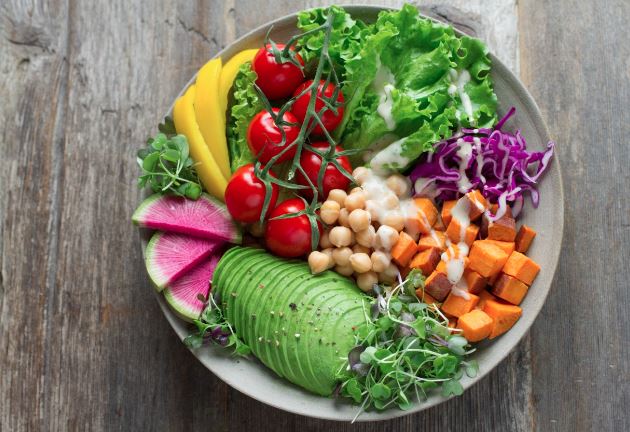
A plant-based diet, which focuses on consuming primarily plant-derived foods while minimizing or eliminating animal products, has gained substantial attention in recent years due to its numerous health and environmental benefits. Here are some key benefits of adopting a plant-based diet:

Exploring the Benefits of a Plant-Based Diet

  1. Improved Nutritional Profile: Plant-based diets are typically rich in fiber, vitamins, minerals, and antioxidants. By consuming a wide variety of fruits, vegetables, whole grains, legumes, nuts, and seeds, you can ensure an abundant intake of essential nutrients that support overall health and well-being.
  2. Reduced Risk of Chronic Diseases: Research suggests that plant-based diets may lower the risk of chronic diseases such as heart disease, type 2 diabetes, hypertension, certain cancers, and obesity. The emphasis on whole foods and the exclusion of processed meats and high-fat animal products contribute to better heart health and overall disease prevention.
  3. Weight Management: Plant-based diets, when properly balanced, tend to be lower in calories and saturated fats. This can help with weight management and reducing the risk of obesity, as well as related health complications.
  4. Increased Fiber Intake: Plant-based foods are often high in dietary fiber, which supports digestive health, promotes regular bowel movements, and helps control blood sugar levels. Adequate fiber intake can also contribute to weight management and reduce the risk of certain diseases.
  5. Environmental Sustainability: Plant-based diets have a significantly lower environmental impact compared to diets heavy in animal products. The production of plant-based foods requires less land, water, and resources, and generates fewer greenhouse gas emissions. By choosing plant-based options, individuals can contribute to a more sustainable and environmentally friendly future.
  6. Animal Welfare: Adopting a plant-based diet aligns with ethical concerns regarding animal welfare. By reducing or eliminating the consumption of animal products, individuals play a role in reducing the demand for factory farming and its associated ethical concerns.
  7. Variety and Culinary Exploration: Plant-based diets can lead to increased creativity in the kitchen, as you discover new ways to prepare and enjoy plant-derived foods. Exploring diverse flavors, textures, and cuisines can make mealtime exciting and satisfying.

When transitioning to a plant-based diet, it’s essential to ensure proper nutrient intake, particularly for critical nutrients such as protein, iron, calcium, vitamin B12, and omega-3 fatty acids. Consulting with a registered dietitian or nutritionist can help you create a well-balanced and individualized plant-based eating plan that meets your nutritional needs.

Remember, each person’s dietary needs and preferences differ, and it’s essential to find an approach that works best for you. Incorporating more plant-based foods into your diet, even if you don’t follow a strictly vegan or vegetarian diet, can still provide notable health benefits.