
Categories
Lifestyle Wellness

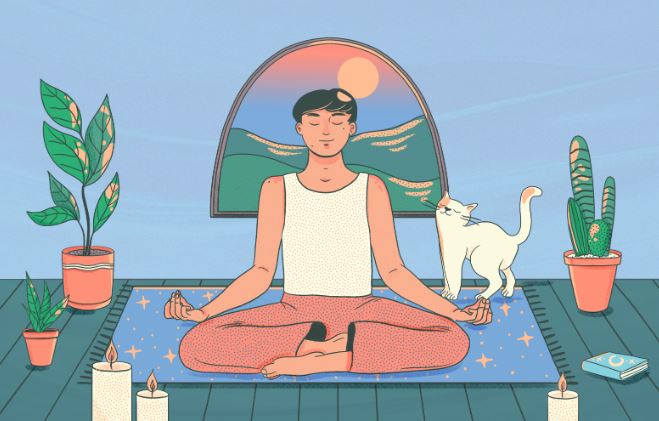
The Benefits of Meditation for Stress Relief

Meditation has been practiced for thousands of years, often as part of spiritual traditions, but its benefits have gained recognition in modern medicine and psychology, particularly for stress relief. Here are several key benefits of meditation that contribute to reducing stress:

The Benefits of Meditation for Stress Relief

  1. Reduction in Stress Hormones

Meditation has been shown to lower levels of cortisol, a hormone that is released in response to stress. High levels of cortisol can lead to various health issues, including anxiety, depression, and weight gain. By practicing meditation regularly, you can help regulate cortisol levels, leading to a calmer state of mind.

  1. Enhanced Relaxation Response

Meditation promotes a state of deep relaxation, which can counteract the body’s stress response. During meditation, heart rate and blood pressure decrease, and breathing becomes more relaxed, creating a sense of physical tranquility and peace that can last beyond the session.

  1. Improved Focus and Clarity

Meditation encourages mindfulness, helping individuals tune into the present moment and eliminate distractions. With improved focus and clarity, you can better manage stressful situations, make informed decisions, and respond more effectively rather than react impulsively.

  1. Increased Emotional Regulation

Regular meditation practice can enhance your emotional resilience, enabling you to respond to stressors with greater calmness and poise. This improved emotional regulation can help you manage anxiety, anger, and frustration more effectively, reducing the overall impact of stress on your well-being.

  1. Better Sleep Quality

Stress often leads to sleep disturbances, creating a vicious cycle of stress and fatigue. Meditation can improve sleep quality by promoting relaxation and reducing anxiety. Techniques such as guided imagery or progressive muscle relaxation can be particularly helpful in preparing the mind and body for restful sleep.

  1. Greater Self-Awareness

Meditation fosters greater self-awareness and encourages individuals to observe their thoughts and feelings without judgment. This increased awareness can help identify stress triggers and patterns, allowing you to develop healthier coping strategies and responses to stress.

  1. Reduction of Anxiety and Depression

Studies have found that meditation can significantly reduce symptoms of anxiety and depression, conditions often exacerbated by chronic stress. Mindfulness meditation, in particular, has been shown to decrease anxiety levels by promoting acceptance and helping individuals detach from negative thought patterns.

  1. Enhanced Overall Well-Being

Meditation contributes to a greater sense of overall well-being and happiness. It can increase feelings of positive emotions, compassion, and satisfaction with life. When you feel more balanced and fulfilled, the weight of stressors can become easier to handle.

  1. Community and Connection

Participating in group meditation or mindfulness classes can foster a sense of community and belonging. This connection can provide emotional support and reduce feelings of isolation, which can be beneficial for managing stress.

  1. Accessibility and Flexibility

One of the significant advantages of meditation is that it can be practiced anywhere, at any time. Whether through guided meditation apps, online resources, or simply sitting in silence, individuals can incorporate meditation into their daily routines easily, making it a flexible tool for stress relief.

Conclusion

Incorporating meditation into your daily life can lead to significant improvements in your ability to manage and reduce stress. As you practice, you may find that not only does your perception of stress change, but your overall mental and physical health improves. Whether you are a beginner or have previous experience, exploring different meditation techniques can help you find the method that resonates best with you, ultimately leading to a more peaceful and balanced life.


Categories
Lifestyle Wellness

How to Incorporate Mindfulness into Your Daily Life

Mindfulness involves being fully present in the moment, aware of your thoughts and feelings without judgment. Integrating mindfulness into your daily life can enhance your well-being, reduce stress, and improve focus. Here’s a guide to help you incorporate mindfulness into your daily routine:

How to Incorporate Mindfulness into Your Daily Life

1. Start with Your Breath

1.1 Practice Deep Breathing:

  • Action: Take a few minutes each day to focus on your breath. Inhale deeply through your nose, hold for a few seconds, and exhale slowly through your mouth.
  • Benefit: Deep breathing helps calm the mind, reduces stress, and increases awareness of the present moment.

1.2 Use Breathing Exercises:

  • Action: Implement breathing techniques such as diaphragmatic breathing or the 4-7-8 method.
  • Benefit: These exercises promote relaxation and help center your attention.

2. Create Mindful Moments

2.1 Mindful Eating:

  • Action: Eat your meals slowly and savor each bite. Pay attention to the flavors, textures, and smells of your food.
  • Benefit: Mindful eating can enhance your enjoyment of food, improve digestion, and help you recognize hunger cues.

2.2 Mindful Walking:

  • Action: During a walk, focus on the sensation of each step, the feeling of the ground beneath your feet, and your surroundings.
  • Benefit: Mindful walking promotes relaxation and encourages a deeper connection with your environment.

3. Integrate Mindfulness into Daily Activities

3.1 Mindful Commute:

  • Action: Use your commute time to practice mindfulness. Pay attention to your surroundings, your breathing, or listen to a mindfulness meditation audio.
  • Benefit: Transforming commute time into a mindfulness practice reduces stress and starts your day with a calm mindset.

3.2 Mindful Work Breaks:

  • Action: Take short breaks throughout the day to practice mindfulness. Pause, breathe deeply, and check in with your feelings.
  • Benefit: Brief mindfulness breaks can boost focus, reduce workplace stress, and enhance productivity.

4. Establish a Mindfulness Routine

4.1 Set Aside Time for Meditation:

  • Action: Dedicate a specific time each day for mindfulness meditation. Start with 5-10 minutes and gradually increase as you become more comfortable.
  • Benefit: Regular meditation fosters a deeper practice of mindfulness and promotes long-term mental clarity and calm.

4.2 Use Mindfulness Apps:

  • Action: Utilize mindfulness and meditation apps, such as Headspace or Calm, to guide your practice and provide structured sessions.
  • Benefit: Apps offer convenience and variety, making it easier to incorporate mindfulness into your routine.

5. Practice Mindfulness in Relationships

5.1 Active Listening:

  • Action: When interacting with others, practice active listening by fully focusing on what the other person is saying without interrupting or planning your response.
  • Benefit: Active listening improves communication, fosters deeper connections, and demonstrates respect and empathy.

5.2 Mindful Presence:

  • Action: Be fully present during conversations and interactions. Avoid distractions like phones or screens and give your full attention to the person you’re with.
  • Benefit: Mindful presence strengthens relationships and enhances the quality of interactions.

6. Apply Mindfulness to Stressful Situations

6.1 Pause and Breathe:

  • Action: When faced with a stressful situation, take a moment to pause and focus on your breath before responding.
  • Benefit: This pause helps you respond more calmly and thoughtfully, reducing the impact of stress.

6.2 Reframe Your Perspective:

  • Action: Use mindfulness techniques to observe your thoughts and feelings without judgment. Reframe negative thoughts by focusing on positive aspects or solutions.
  • Benefit: Mindfulness helps shift your perspective and reduces the intensity of stress.

7. Cultivate Mindfulness Throughout the Day

7.1 Mindful Moments:

  • Action: Identify opportunities for mindfulness throughout your day, such as while washing dishes, brushing your teeth, or waiting in line.
  • Benefit: Integrating mindfulness into routine tasks helps make mindfulness a natural part of your life.

7.2 Gratitude Practice:

  • Action: Incorporate a gratitude practice by taking a few moments each day to reflect on things you’re thankful for.
  • Benefit: Gratitude enhances positivity and overall well-being, complementing your mindfulness practice.

8. Be Patient and Consistent

8.1 Embrace Imperfection:

  • Action: Recognize that mindfulness is a practice and it’s normal to have wandering thoughts or distractions.
  • Benefit: Embracing imperfection helps maintain motivation and reduces frustration.

8.2 Stay Consistent:

  • Action: Integrate mindfulness into your daily routine and make it a consistent practice, even if it’s just for a few minutes each day.
  • Benefit: Consistency reinforces mindfulness habits and contributes to long-term benefits.

Conclusion

Incorporating mindfulness into your daily life involves creating mindful moments, establishing a routine, and applying mindfulness to various aspects of your day. By starting with simple practices, integrating mindfulness into everyday activities, and maintaining consistency, you can enhance your overall well-being, reduce stress, and cultivate a deeper sense of presence and fulfillment. Remember, mindfulness is a journey, and even small steps can lead to significant positive changes in your life.

Categories
Lifestyle

Finding Happiness in Simple Pleasures: Embracing the Beauty of Everyday Life

In the hustle and bustle of our daily lives, it’s easy to forget to pause and appreciate the simple pleasures that surround us. However, finding joy in the beauty of everyday life can bring immense happiness and fulfillment. Here are a few tips for embracing the beauty of everyday life and finding happiness in simple pleasures:

Finding Happiness in Simple Pleasures: Embracing the Beauty of Everyday Life

  1. Practice Gratitude: Take a moment each day to reflect on the things you are grateful for. Whether it’s a delicious cup of coffee, a beautiful sunset, or time spent with loved ones, acknowledging and appreciating the small joys in life can shift your focus to what truly matters.
  2. Be Mindful: Slow down and be fully present in each moment. Engage your senses and pay attention to the small details. Notice the scent of fresh flowers, the sound of birds chirping, or the feeling of the warm sun on your skin. Cultivating mindfulness can help you fully immerse yourself in the present moment and find beauty in the everyday.
  3. Find Pleasure in Simple Activities: Engage in activities that bring you joy and relaxation. It could be enjoying a leisurely walk in nature, reading a book, cooking a delicious meal, or practicing a hobby or craft. By focusing on the process and finding pleasure in these simple activities, you can experience a sense of fulfillment and happiness.
  4. Connect with Others: Foster meaningful connections with the people around you. Spend quality time with friends and family, have heartfelt conversations, or engage in acts of kindness. Human connections and relationships are invaluable sources of joy and can enrich your everyday life.
  5. Embrace Nature: Nature has a way of rejuvenating and inspiring us. Spend time outdoors, go for a hike, or simply sit in a park and observe the beauty of the natural world. Appreciating the wonders of nature can bring a sense of peace, awe, and gratitude.
  6. Practice Self-Care: Prioritize self-care and create moments of relaxation and rejuvenation. Take a soothing bath, practice meditation or yoga, or engage in activities that promote your overall well-being. Caring for yourself allows you to recharge and find inner tranquility.
  7. Keep a Journal: Consider keeping a gratitude journal or a simple pleasures journal. Write down the things that brought you joy or made you smile each day. Reflecting on these positive moments can help shift your focus towards the beauty in your everyday life.

Remember, happiness often lies in the little things and can be found by appreciating the beauty that surrounds us. By cultivating gratitude, mindfulness, and connection, you can embrace the simple pleasures of everyday life and experience a deeper sense of joy and fulfillment.