

Categories
Well-Being

Creating a Healthy Home Environment: Decluttering and Organizing for Wellness

Maintaining a healthy home environment is essential for promoting wellness and overall well-being. A cluttered and disorganized living space can contribute to stress, anxiety, and a sense of overwhelm. In this post, we will explore the benefits of decluttering and organizing your home to create a nurturing environment for your physical and mental health.

Creating a Healthy Home Environment: Decluttering and Organizing for Wellness

  1. Reduce Stress: Clutter can have a negative impact on our mental state, leading to increased stress levels. Decluttering and organizing your home can help create a sense of calm and serenity. A clean and clutter-free space allows for improved focus, relaxation, and a more positive mindset.
  2. Improve Productivity: An organized home provides a conducive environment for increased productivity. When everything is in its place, you can find what you need quickly and efficiently. This saves time and allows you to focus on tasks at hand, boosting productivity and reducing distractions.
  3. Enhance Physical Health: A clutter-free home promotes physical health in several ways. Removing excess items and maintaining cleanliness can reduce dust and allergens, creating a healthier indoor environment. It also eliminates tripping hazards, making your space safer and reducing the risk of accidents.
  4. Cultivate Mental Well-being: Your home environment significantly impacts your mental well-being. An organized space promotes a sense of control, reduces feelings of overwhelm, and creates a more peaceful atmosphere. Being surrounded by items that you love and value, while eliminating unnecessary clutter, can contribute to a positive and uplifting mindset.
  5. Boost Creativity: An organized and tidy space can spark creativity and inspiration. Clearing physical clutter can help clear mental clutter, allowing for more creative thinking. A well-organized home environment provides a conducive space for pursuing hobbies, artistic endeavors, and personal growth.
  6. Foster Positive Relationships: A cluttered living space can strain relationships, as the stress and tension associated with disorganization can spill over into interactions with others. Creating a clean and organized home environment creates a sense of harmony and ease, fostering positive relationships with family members or roommates.
  7. Practice Self-care: Decluttering and organizing your home can be seen as an act of self-care. By taking the time to create a healthy and harmonious living environment, you are investing in your own well-being. This practice allows you to prioritize yourself and your needs, leading to a more balanced and fulfilling life.

In conclusion, decluttering and organizing your home can greatly contribute to physical and mental wellness. By reducing stress, improving productivity, enhancing physical health, cultivating mental well-being, boosting creativity, fostering positive relationships, and practicing self-care, you will create a nurturing home environment that supports your overall well-being. So why not start decluttering today and experience the positive impact it can have on your life?

Categories
Well-Being

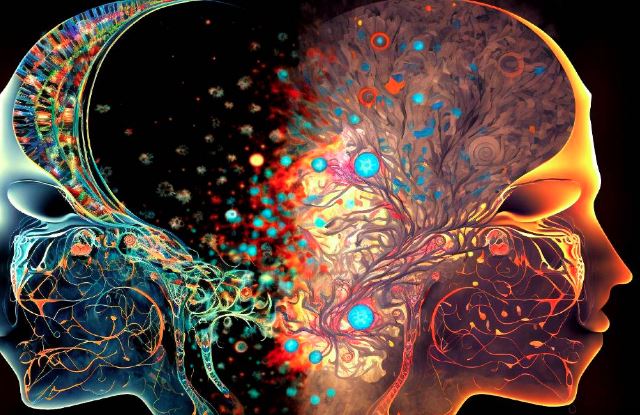
Exploring Mind-Body Connection: Harnessing the Power of Your Thoughts

The mind-body connection is a fascinating subject that explores the interplay between our thoughts, emotions, beliefs, and physical health. This connection suggests that our mental and emotional states can directly influence our physical well-being. By understanding and harnessing the power of our thoughts, we can potentially improve our overall health and well-being. In this post, we will explore the mind-body connection and provide some practical ways to tap into its potential.

Exploring Mind-Body Connection: Harnessing the Power of Your Thoughts

  1. Positive Thinking: Our thoughts and beliefs have a profound impact on our emotions and energy levels. Cultivating a positive mindset can help reduce stress, enhance resilience, and promote overall well-being. Practice gratitude, affirmations, and visualization to shift your focus towards the positive aspects of life and build a foundation of optimism.
  2. Stress Management: Chronic stress can have detrimental effects on both our mental and physical health. Implement stress management techniques such as deep breathing exercises, meditation, yoga, or engaging in enjoyable activities to calm the mind and relax the body. These practices promote a sense of tranquility and help restore balance to the mind-body connection.
  3. Healthy Lifestyle Habits: Adopting a healthy lifestyle is a key aspect of nurturing the mind-body connection. Engage in regular physical exercise, maintain a balanced diet, prioritize quality sleep, and limit harmful habits like smoking or excessive alcohol consumption. These practices boost the production of endorphins, regulate hormones, and improve overall physiological functioning.
  4. Emotional Expression: It is essential to acknowledge and express our emotions authentically. Bottling up emotions can lead to detrimental effects on both our mental and physical well-being. Find healthy ways to express emotions, such as speaking to a trusted friend or therapist, writing in a journal, engaging in creative outlets, or practicing mindfulness activities like art therapy or dance.
  5. Mindfulness and Meditation: Mindfulness and meditation practices cultivate focused awareness and promote a deeper connection between the mind and body. Regular mindfulness exercises allow you to observe your thoughts and physical sensations non-judgmentally, enhancing self-awareness and helping you respond to stressors more effectively.
  6. Social Support: Strong social connections and a support system are vital for overall well-being. Surround yourself with positive and supportive individuals who lift you up and encourage your growth. Engaging in healthy relationships and social activities can boost your mood, reduce stress, and enhance your overall sense of well-being.
  7. Seek Professional Help: Sometimes, personal challenges or trauma may require the assistance of a mental health professional. Seek therapy or counseling services to help you navigate difficult emotions, unresolved conflicts, or deep-rooted issues that may be impacting your mind-body connection.

In conclusion, the mind-body connection highlights the profound influence our thoughts and emotions can have on our physical health and well-being. By implementing positive thinking, stress management techniques, healthy lifestyle habits, emotional expression, mindfulness practices, nurturing social connections, and seeking professional help when needed, we can harness the power of our thoughts to enhance our overall quality of life. Remember, small daily practices can make a significant difference in cultivating a harmonious mind-body connection.

Categories
Well-Being

Living a Life of Authenticity: Finding Your True Self

Living a life of authenticity means being true to yourself, embracing who you truly are, and aligning your actions and choices with your core values and beliefs. It involves finding and expressing your unique identity, embracing your strengths and weaknesses, and living in alignment with your passions and purpose. Here are some tips to help you on your journey towards authenticity and finding your true self:

Living a Life of Authenticity: Finding Your True Self

1. Self-reflection: Take the time to reflect on your values, desires, and passions. Ask yourself important questions about what truly matters to you and what brings you joy and fulfillment. Self-reflection can help you gain clarity about your authentic self and guide you in making choices that resonate with your true nature.

2. Embrace your uniqueness: Embrace the qualities, traits, and quirks that make you unique. Don’t be afraid to stand out or be different. Celebrate your individuality and let go of the need for conformity or approval from others. Remember, authenticity is about being true to yourself, not trying to fit into someone else’s mold.

3. Listen to your intuition: Pay attention to your intuition and inner voice. Your gut feelings and instincts often hold valuable insights and guidance. Practice quieting your mind, trusting your instincts, and making decisions based on your inner wisdom.

4. Live in alignment with your values: Identify your core values and make a conscious effort to live by them. When you align your actions with your values, you will experience a sense of integrity and coherence in your life. This alignment also helps you navigate through challenging situations with clarity and authenticity.

5. Surround yourself with supportive people: Surround yourself with people who accept you for who you are and encourage you to be your authentic self. Foster relationships built on trust, mutual respect, and genuine connection. Having a supportive network can provide the affirmation and encouragement you need to stay true to yourself.

6. Embrace vulnerability: Authenticity requires vulnerability and the willingness to be open and authentic with others. Be willing to share your thoughts, feelings, and experiences without fear of judgment or rejection. Embracing vulnerability allows you to forge deeper connections with others and foster genuine relationships.

7. Embrace growth and self-discovery: The path to authenticity is a lifelong journey. Embrace personal growth and continuous self-discovery. Stay open to learning, trying new things, and evolving as a person. Embrace challenges as opportunities for growth and see them as essential steps on your path to living authentically.

Remember, authenticity is not about trying to be perfect or living up to others’ expectations. It is about being true to yourself, embracing your uniqueness, and living a life that reflects your values and passions. Stay committed to your personal growth, have patience with yourself, and enjoy the process of discovering and embracing your true self.

Categories
Well-Being

Cultivating Gratitude: The Key to Happiness

In today’s fast-paced and often stressful world, cultivating gratitude has become increasingly important for our mental well-being. Numerous studies have shown that practicing gratitude can lead to increased happiness, improved relationships, and better overall emotional health. Gratitude is not just a fleeting feeling of thankfulness; it is a mindset and a practice that can be intentionally developed. Here are some key reasons why cultivating gratitude is the key to happiness:

Cultivating Gratitude: The Key to Happiness

1. Shifts focus to the positive: Gratitude encourages us to shift our focus away from what we lack or what’s going wrong in our lives, towards what we already have and the positive aspects of our experiences. By redirecting our attention to the good, we naturally create a more positive mindset, leading to increased happiness and contentment.

2. Fosters resilience: Practicing gratitude helps us develop resilience in the face of challenges and setbacks. It teaches us to find silver linings in difficult situations and appreciate the lessons they bring. Gratitude allows us to reframe adversity as an opportunity for growth and personal development, helping us bounce back stronger.

3. Strengthens relationships: Expressing gratitude towards others strengthens our relationships and fosters a sense of connection and belonging. When we appreciate and acknowledge the people in our lives, it deepens our interpersonal bonds and encourages a positive and supportive atmosphere. This, in turn, enhances our overall happiness and well-being.

4. Enhances overall well-being: Gratitude has been linked to improved mental health, including reduced levels of stress, anxiety, and depression. By focusing on what we are grateful for, we create a sense of abundance and contentment, which has a positive impact on our psychological and emotional well-being.

5. Increases mindfulness and presence: Being grateful grounds us in the present moment, helping us become more mindful and aware of the joys and beauty that surround us daily. It allows us to savor life’s small pleasures and be fully present in our experiences, leading to a greater sense of happiness and fulfillment.

So, how can we cultivate gratitude in our lives?

1. Keep a gratitude journal: Write down three things each day that you are grateful for. This practice helps shift your mindset towards gratitude and increases your awareness of the positive aspects of your life.

2. Express gratitude to others: Take the time to express your gratitude to the people around you. Write a heartfelt thank-you note or simply tell someone how much you appreciate them. This not only strengthens your relationships but also enhances your own feelings of happiness and well-being.

3. Practice mindfulness and meditation: Engage in mindfulness practices that encourage awareness of the present moment and gratitude for the here and now. This can be done through meditation, deep breathing exercises, or simply taking a few minutes each day to reflect on what you are grateful for.

4. Reframe challenges: When faced with difficulties, try to find the lessons or silver linings within them. Shift your perspective towards gratitude for the growth and opportunities that challenges bring.

By intentionally cultivating gratitude in our lives, we can experience increased happiness, resilience, and overall well-being. Embracing a mindset of gratitude allows us to find joy in the everyday moments and appreciate the abundance that surrounds us. So let’s practice gratitude and watch our happiness and fulfillment grow.