
Categories
Well-Being Wellness

How to Develop Emotional Intelligence

Emotional intelligence (EI) is the ability to recognize, understand, and manage your own emotions while also recognizing and influencing the emotions of others. Developing EI can enhance your relationships, improve communication, and increase your overall well-being. Here are practical steps to help you cultivate emotional intelligence:

How to Develop Emotional Intelligence

1. Self-Awareness

  • Reflect on Your Emotions: Take time to identify and understand your feelings. Journaling can be a helpful tool for exploring your emotional responses in different situations.
  • Know Your Triggers: Recognize the situations or people that evoke strong emotional reactions in you. Understanding these triggers can help you manage your responses better.

2. Self-Regulation

  • Practice Mindfulness: Engage in mindfulness practices such as meditation or deep breathing to help you stay present and calm. This can improve your ability to regulate your emotions.
  • Pause Before Reacting: When you feel a strong emotion, take a moment to pause and think before responding. This can prevent impulsive reactions and help you respond more thoughtfully.

3. Motivation

  • Set Personal Goals: Establish meaningful goals that align with your values. Having a sense of purpose can boost your motivation and emotional resilience.
  • Celebrate Progress: Acknowledge your achievements, no matter how small. Celebrating progress can enhance your intrinsic motivation and self-esteem.

4. Empathy

  • Practice Active Listening: Focus on truly understanding what others are saying. Listen without interrupting, and ask questions to clarify their feelings and perspectives.
  • Put Yourself in Others’ Shoes: Try to understand situations from other people’s perspectives. This can deepen your empathy and improve your interpersonal relationships.

5. Social Skills

  • Improve Communication: Work on expressing your thoughts and feelings clearly and respectfully. Effective communication is key to building strong relationships.
  • Build Rapport: Take the time to connect with others. Engage in conversations, show genuine interest, and find common ground to strengthen your social skills.

6. Manage Relationships

  • Resolve Conflicts Constructively: When disagreements arise, approach them with a solution-oriented mindset. Focus on finding common ground rather than winning an argument.
  • Seek Feedback: Ask trusted friends or colleagues for feedback on your interactions. Constructive criticism can help you identify areas for improvement in your social skills.

7. Continuous Learning

  • Read Books on Emotional Intelligence: There are numerous resources available that provide insights and strategies for developing EI. Consider titles like “Emotional Intelligence” by Daniel Goleman.
  • Attend Workshops or Training: Participate in workshops or courses focused on emotional intelligence and personal development. These can provide valuable skills and techniques.

8. Practice Self-Compassion

  • Be Kind to Yourself: Recognize that everyone makes mistakes and experiences setbacks. Treat yourself with the same compassion you would offer a friend.
  • Acknowledge Your Emotions: Accept your feelings without judgment. Understanding that emotions are a natural part of being human can help you manage them more effectively.

Balancing Emotion and Decision-Making

Emotional intelligence plays a vital role in making better personal and financial decisions. Cultivating self-awareness and patience can also lead to smarter choices when exploring rewards like an australian casinos no deposit bonus. Understanding your impulses allows for more controlled, strategic actions. Emotional insight empowers users to engage with opportunities thoughtfully rather than reactively.

Conclusion

Developing emotional intelligence is an ongoing process that can greatly enhance your personal and professional life. By focusing on self-awareness, self-regulation, empathy, and effective communication, you can improve your emotional intelligence and build stronger, more fulfilling relationships. Remember, the journey to greater emotional intelligence takes time and practice, so be patient with yourself as you grow!
Categories
Lifestyle Wellness

The Benefits of Meditation for Stress Relief

Meditation has been practiced for thousands of years, often as part of spiritual traditions, but its benefits have gained recognition in modern medicine and psychology, particularly for stress relief. Here are several key benefits of meditation that contribute to reducing stress:

The Benefits of Meditation for Stress Relief

  1. Reduction in Stress Hormones

Meditation has been shown to lower levels of cortisol, a hormone that is released in response to stress. High levels of cortisol can lead to various health issues, including anxiety, depression, and weight gain. By practicing meditation regularly, you can help regulate cortisol levels, leading to a calmer state of mind.

  1. Enhanced Relaxation Response

Meditation promotes a state of deep relaxation, which can counteract the body’s stress response. During meditation, heart rate and blood pressure decrease, and breathing becomes more relaxed, creating a sense of physical tranquility and peace that can last beyond the session.

  1. Improved Focus and Clarity

Meditation encourages mindfulness, helping individuals tune into the present moment and eliminate distractions. With improved focus and clarity, you can better manage stressful situations, make informed decisions, and respond more effectively rather than react impulsively.

  1. Increased Emotional Regulation

Regular meditation practice can enhance your emotional resilience, enabling you to respond to stressors with greater calmness and poise. This improved emotional regulation can help you manage anxiety, anger, and frustration more effectively, reducing the overall impact of stress on your well-being.

  1. Better Sleep Quality

Stress often leads to sleep disturbances, creating a vicious cycle of stress and fatigue. Meditation can improve sleep quality by promoting relaxation and reducing anxiety. Techniques such as guided imagery or progressive muscle relaxation can be particularly helpful in preparing the mind and body for restful sleep.

  1. Greater Self-Awareness

Meditation fosters greater self-awareness and encourages individuals to observe their thoughts and feelings without judgment. This increased awareness can help identify stress triggers and patterns, allowing you to develop healthier coping strategies and responses to stress.

  1. Reduction of Anxiety and Depression

Studies have found that meditation can significantly reduce symptoms of anxiety and depression, conditions often exacerbated by chronic stress. Mindfulness meditation, in particular, has been shown to decrease anxiety levels by promoting acceptance and helping individuals detach from negative thought patterns.

  1. Enhanced Overall Well-Being

Meditation contributes to a greater sense of overall well-being and happiness. It can increase feelings of positive emotions, compassion, and satisfaction with life. When you feel more balanced and fulfilled, the weight of stressors can become easier to handle.

  1. Community and Connection

Participating in group meditation or mindfulness classes can foster a sense of community and belonging. This connection can provide emotional support and reduce feelings of isolation, which can be beneficial for managing stress.

  1. Accessibility and Flexibility

One of the significant advantages of meditation is that it can be practiced anywhere, at any time. Whether through guided meditation apps, online resources, or simply sitting in silence, individuals can incorporate meditation into their daily routines easily, making it a flexible tool for stress relief.

Conclusion

Incorporating meditation into your daily life can lead to significant improvements in your ability to manage and reduce stress. As you practice, you may find that not only does your perception of stress change, but your overall mental and physical health improves. Whether you are a beginner or have previous experience, exploring different meditation techniques can help you find the method that resonates best with you, ultimately leading to a more peaceful and balanced life.

Categories
Wellness

How to Manage Anxiety: Techniques and Tips

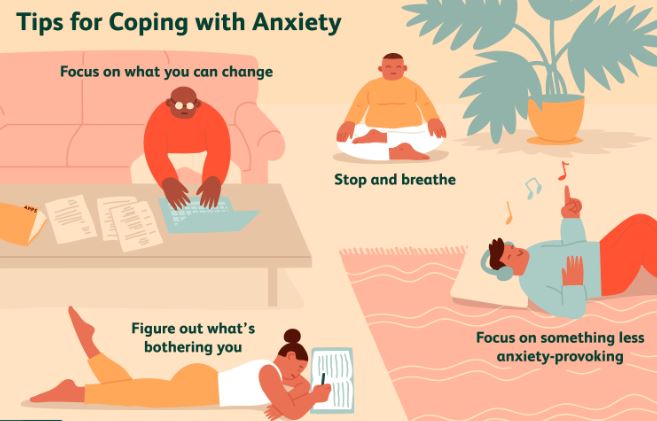
Managing anxiety can be challenging, but with the right techniques and strategies, you can gain control and improve your well-being. Here are some effective techniques and tips for managing anxiety:

How to Manage Anxiety: Techniques and Tips

  1. Practice Mindfulness and Meditation

– Mindfulness: Focus on the present moment without judgment. Techniques include mindful breathing, observing your surroundings, and practicing gratitude.

– Meditation: Consider guided meditation sessions available through apps or online resources. Regular practice can help calm your mind and reduce anxious thoughts.

  1. Engage in Regular Exercise

Physical activity can significantly reduce anxiety levels:

– Aerobic Exercise: Activities like walking, running, biking, or dancing can boost endorphins, improve mood, and reduce stress.

– Yoga: Combines physical movement with breath control and meditation, promoting relaxation and reducing tension.

  1. Establish a Routine

Creating a structured daily routine can provide a sense of control and predictability in your life:

– Plan your day with set wake-up and sleep times.

– Include designated times for work, exercise, relaxation, and socialization.

  1. Limit Caffeine and Alcohol

Both caffeine and alcohol can exacerbate anxiety symptoms:

– Caffeine: It can lead to increased heart rate and nervousness. Consider reducing or eliminating caffeinated beverages.

– Alcohol: While it may temporarily seem to relieve anxiety, alcohol can worsen anxiety over time and impact sleep quality.

  1. Prioritize Sleep Hygiene

Quality sleep is essential for mental well-being:

– Create a calming bedtime routine (reading, warm baths, meditation).

– Maintain a consistent sleep schedule by going to bed and waking up at the same time each day.

– Ensure your sleep environment is comfortable and conducive to rest (dark, quiet, and cool).

  1. Connect with Others

Social support can help alleviate anxiety:

– Talk to friends or family about your feelings. Sharing your concerns can provide relief and perspective.

– Consider joining support groups or connecting with others who understand what you’re going through.

  1. Practice Deep Breathing Techniques

Deep breathing can activate your body’s relaxation response:

– Try the 4-7-8 technique: Inhale through your nose for 4 counts, hold the breath for 7 counts, and exhale slowly through your mouth for 8 counts. Repeat several times.

  1. Challenge Negative Thoughts

Cognitive Behavioral Therapy (CBT) techniques can help in reframing negative thought patterns:

– Keep a journal to track anxiety triggers and associated thoughts.

– Identify cognitive distortions (e.g., catastrophizing, black-and-white thinking) and consciously reframe these thoughts into positive or realistic ones.

  1. Limit Screen Time and News Exposure

Continuous exposure to screens and news can heighten anxiety:

– Set limits on social media and news consumption, particularly if certain platforms or topics lead to increased stress.

– Schedule specific times to check news and stick to those times.

  1. Engage in Hobbies and Activities

Participating in activities you enjoy can distract you from anxious thoughts and bring joy:

– Explore interests like reading, painting, gardening, or puzzles.

– Get creative with arts, crafts, or any form of expression that resonates with you.

  1. Seek Professional Help

If anxiety becomes overwhelming or persistent:

– Consult a mental health professional for therapy options like CBT, which can provide a structured approach to managing anxiety.

– Discuss medication options with a healthcare provider if appropriate.

  1. Learn Relaxation Techniques

Incorporate relaxation techniques to manage stress:

– Progressive Muscle Relaxation: Tense and then relax each muscle group, starting from your toes to your head.

– Visualization: Imagine a peaceful scene or a place where you feel safe and relaxed.

Conclusion

Managing anxiety is a personal journey and may require a combination of techniques to find what works best for you. Practicing self-care, reaching out for support, and maintaining a proactive approach can help you navigate anxiety more effectively. Remember that it’s okay to seek help and prioritize your mental well-being.

Categories
Health Wellness

The Benefits of Outdoor Activities for Mental Health

Engaging in outdoor activities can significantly boost mental health and overall well-being. Nature and outdoor environments provide unique benefits that contribute to improved mood, reduced stress, and enhanced cognitive function. Here’s an exploration of how outdoor activities positively impact mental health:

The Benefits of Outdoor Activities for Mental Health

1. Reducing Stress and Anxiety

1.1. Natural Relaxation

  • Stress Reduction: Spending time in natural settings has been shown to lower levels of cortisol, a stress hormone. The tranquility of nature promotes relaxation and helps reduce anxiety.
  • Mindfulness: Outdoor environments encourage mindfulness and presence, helping individuals disconnect from daily stressors and focus on the present moment.

1.2. Fresh Air and Physical Activity

  • Oxygen Flow: Breathing fresh air in natural settings can improve oxygen flow and increase energy levels, contributing to a sense of well-being.
  • Exercise Benefits: Physical activities like hiking, cycling, or jogging release endorphins, which are natural mood lifters that help alleviate anxiety and stress.

2. Enhancing Mood and Emotional Well-Being

2.1. Exposure to Sunlight

  • Vitamin D: Sunlight exposure boosts vitamin D levels, which is essential for mood regulation and overall mental health. Vitamin D deficiency has been linked to increased risk of depression.
  • Serotonin Production: Sunlight can increase serotonin levels in the brain, contributing to improved mood and a sense of well-being.

2.2. Connection with Nature

  • Mood Improvement: Studies show that spending time in nature can lead to improved mood, reduced symptoms of depression, and a greater sense of life satisfaction.
  • Nature’s Healing Effects: Natural environments often provide a sense of peace and calm, which can counteract feelings of sadness or irritability.

3. Boosting Cognitive Function

3.1. Enhanced Focus and Concentration

  • Attention Restoration: Outdoor activities, particularly in natural settings, can help restore attention and improve concentration. Nature walks and green spaces provide cognitive breaks from mental fatigue.
  • Creativity Boost: Engaging with nature can stimulate creativity and problem-solving skills, as natural environments often inspire new ideas and perspectives.

3.2. Mental Clarity

  • Reduced Mental Fatigue: Time spent outdoors helps clear mental clutter and reduce cognitive overload, leading to better mental clarity and decision-making.
  • Improved Memory: Regular outdoor activities have been associated with enhanced memory and learning abilities, partly due to the mental relaxation and reduced stress experienced in nature.

4. Promoting Social Interaction and Support

4.1. Social Connection

  • Group Activities: Outdoor activities, such as group sports, hiking, or picnics, provide opportunities for social interaction and bonding, which can enhance feelings of connection and support.
  • Shared Experiences: Engaging in outdoor experiences with others fosters a sense of community and belonging, which is important for mental well-being.

4.2. Family and Friend Time

  • Quality Time: Spending time outdoors with family and friends strengthens relationships and creates positive, shared experiences that contribute to emotional well-being.

5. Encouraging Healthy Lifestyle Habits

5.1. Regular Exercise

  • Physical Health Benefits: Outdoor activities often involve physical exercise, which is known to improve mental health by reducing symptoms of depression and anxiety.
  • Routine Building: Establishing a routine of outdoor exercise can promote long-term mental health benefits and encourage a healthier lifestyle.

5.2. Balanced Lifestyle

  • Work-Life Balance: Incorporating outdoor activities into your routine helps balance work and leisure, promoting a healthier and more fulfilling lifestyle.
  • Engagement with Nature: Regular outdoor activities foster a connection with nature, encouraging a lifestyle that values and prioritizes well-being.

6. Tips for Incorporating Outdoor Activities

6.1. Find Activities You Enjoy

  • Explore Options: Try different outdoor activities to find what you enjoy most, whether it’s hiking, gardening, cycling, or simply walking in the park.
  • Set Goals: Set achievable goals for incorporating outdoor activities into your routine, such as taking a daily walk or participating in a weekly outdoor class.

6.2. Prioritize Safety and Comfort

  • Appropriate Gear: Wear suitable clothing and footwear for the weather and activity to ensure a comfortable and enjoyable experience.
  • Stay Hydrated: Drink plenty of water and take breaks as needed to stay hydrated and energized during outdoor activities.

6.3. Make It a Habit

  • Regular Schedule: Aim to include outdoor activities in your daily or weekly routine to reap the full benefits for mental health.
  • Join Groups: Consider joining outdoor clubs or groups to stay motivated and make outdoor activities a regular part of your life.

Conclusion

Outdoor activities offer a multitude of mental health benefits, including reduced stress, enhanced mood, improved cognitive function, and increased social interaction. By incorporating more time in nature and engaging in physical activities, you can support your mental well-being and foster a healthier, more balanced lifestyle. Whether it’s a nature walk, a weekend hike, or simply spending time in a park, the positive effects of outdoor activities on mental health are well worth exploring.

Categories
Wellness

The Importance of Sleep for Overall Wellness

Sleep is a fundamental aspect of overall health and wellness, influencing nearly every facet of physical and mental well-being. Despite its importance, many people underestimate the role of sleep in maintaining a healthy lifestyle. Here’s why sleep is crucial and how it impacts various aspects of wellness:

The Importance of Sleep for Overall Wellness

1. Physical Health

1.1. Restorative Functions

  • Cellular Repair: During sleep, the body performs essential repair processes, including tissue growth and muscle repair. This helps to heal injuries and maintain overall physical health.
  • Immune Function: Adequate sleep supports a healthy immune system, helping the body fight off infections and illnesses more effectively.

1.2. Cardiovascular Health

  • Heart Health: Quality sleep helps regulate blood pressure and heart rate. Chronic sleep deprivation is associated with an increased risk of heart disease and hypertension.
  • Metabolism: Sleep plays a role in regulating metabolism and appetite. Poor sleep can disrupt hormonal balance, leading to weight gain and an increased risk of metabolic disorders like diabetes.

1.3. Physical Performance

  • Energy Levels: Proper sleep ensures higher energy levels and better physical performance. Athletes, in particular, benefit from improved strength, speed, and endurance with adequate rest.
  • Coordination and Reaction Time: Good sleep enhances motor skills, coordination, and reaction times, reducing the risk of accidents and injuries.

2. Mental Health

2.1. Cognitive Function

  • Memory Consolidation: Sleep is crucial for memory consolidation and learning. The brain processes and stores information acquired throughout the day during sleep, enhancing cognitive functions.
  • Focus and Concentration: Quality sleep improves focus, attention, and problem-solving abilities. Sleep deprivation impairs cognitive performance and decision-making skills.

2.2. Emotional Regulation

  • Mood Stability: Adequate sleep helps regulate emotions and mood. Chronic sleep deprivation is linked to increased irritability, stress, and a higher risk of mental health issues like depression and anxiety.
  • Stress Resilience: Quality sleep supports the body’s ability to handle stress and recover from stressful situations, promoting better emotional resilience.

2.3. Mental Clarity

  • Creativity and Problem-Solving: Sleep fosters creativity and innovative thinking. The brain’s problem-solving capabilities and creative thinking are enhanced with sufficient rest.

3. Behavioral and Social Impact

3.1. Daily Functioning

  • Productivity: Adequate sleep improves productivity and efficiency in daily tasks. Poor sleep can lead to decreased motivation, lower productivity, and increased errors.
  • Interpersonal Relationships: Good sleep contributes to better mood and behavior, positively impacting interpersonal relationships and social interactions.

3.2. Risk-Taking and Decision-Making

  • Judgment: Sleep deprivation affects decision-making abilities and risk assessment, leading to increased likelihood of making poor choices and engaging in risky behaviors.

4. Sleep Hygiene Tips

4.1. Establish a Routine

  • Consistent Schedule: Go to bed and wake up at the same time every day, even on weekends, to regulate your internal clock and improve sleep quality.
  • Relaxing Pre-Sleep Routine: Engage in calming activities before bed, such as reading or taking a warm bath, to signal to your body that it’s time to wind down.

4.2. Optimize Sleep Environment

  • Comfortable Bedding: Invest in a comfortable mattress and pillows to support a restful night’s sleep.
  • Dark and Quiet: Ensure your sleep environment is dark, quiet, and cool. Use blackout curtains, earplugs, or a white noise machine if necessary.

4.3. Limit Disruptions

  • Screen Time: Avoid screens (phones, tablets, computers) at least an hour before bed, as the blue light emitted can interfere with melatonin production and disrupt sleep.
  • Caffeine and Alcohol: Limit consumption of caffeine and alcohol, especially in the hours leading up to bedtime, as they can negatively affect sleep quality.

4.4. Healthy Lifestyle

  • Physical Activity: Regular exercise promotes better sleep, but avoid vigorous exercise close to bedtime.
  • Balanced Diet: Maintain a balanced diet and avoid heavy meals or excessive liquids before bed to prevent discomfort and interruptions.

5. Addressing Sleep Disorders

5.1. Common Disorders

  • Insomnia: Difficulty falling or staying asleep. Consult a healthcare provider if you experience persistent sleep issues.
  • Sleep Apnea: A condition characterized by interrupted breathing during sleep. Seek medical advice if you suspect sleep apnea.

5.2. Professional Help

  • Medical Evaluation: If you have chronic sleep problems or suspect a sleep disorder, consult a healthcare professional or sleep specialist for evaluation and treatment options.

Conclusion

Sleep is a vital component of overall wellness, impacting physical health, mental clarity, and emotional stability. Prioritizing quality sleep and adopting good sleep hygiene practices can significantly enhance your well-being and quality of life. By understanding and addressing the importance of sleep, you can improve your health and achieve a more balanced, fulfilling lifestyle.

Categories
Lifestyle Wellness

How to Incorporate Mindfulness into Your Daily Life

Mindfulness involves being fully present in the moment, aware of your thoughts and feelings without judgment. Integrating mindfulness into your daily life can enhance your well-being, reduce stress, and improve focus. Here’s a guide to help you incorporate mindfulness into your daily routine:

How to Incorporate Mindfulness into Your Daily Life

1. Start with Your Breath

1.1 Practice Deep Breathing:

  • Action: Take a few minutes each day to focus on your breath. Inhale deeply through your nose, hold for a few seconds, and exhale slowly through your mouth.
  • Benefit: Deep breathing helps calm the mind, reduces stress, and increases awareness of the present moment.

1.2 Use Breathing Exercises:

  • Action: Implement breathing techniques such as diaphragmatic breathing or the 4-7-8 method.
  • Benefit: These exercises promote relaxation and help center your attention.

2. Create Mindful Moments

2.1 Mindful Eating:

  • Action: Eat your meals slowly and savor each bite. Pay attention to the flavors, textures, and smells of your food.
  • Benefit: Mindful eating can enhance your enjoyment of food, improve digestion, and help you recognize hunger cues.

2.2 Mindful Walking:

  • Action: During a walk, focus on the sensation of each step, the feeling of the ground beneath your feet, and your surroundings.
  • Benefit: Mindful walking promotes relaxation and encourages a deeper connection with your environment.

3. Integrate Mindfulness into Daily Activities

3.1 Mindful Commute:

  • Action: Use your commute time to practice mindfulness. Pay attention to your surroundings, your breathing, or listen to a mindfulness meditation audio.
  • Benefit: Transforming commute time into a mindfulness practice reduces stress and starts your day with a calm mindset.

3.2 Mindful Work Breaks:

  • Action: Take short breaks throughout the day to practice mindfulness. Pause, breathe deeply, and check in with your feelings.
  • Benefit: Brief mindfulness breaks can boost focus, reduce workplace stress, and enhance productivity.

4. Establish a Mindfulness Routine

4.1 Set Aside Time for Meditation:

  • Action: Dedicate a specific time each day for mindfulness meditation. Start with 5-10 minutes and gradually increase as you become more comfortable.
  • Benefit: Regular meditation fosters a deeper practice of mindfulness and promotes long-term mental clarity and calm.

4.2 Use Mindfulness Apps:

  • Action: Utilize mindfulness and meditation apps, such as Headspace or Calm, to guide your practice and provide structured sessions.
  • Benefit: Apps offer convenience and variety, making it easier to incorporate mindfulness into your routine.

5. Practice Mindfulness in Relationships

5.1 Active Listening:

  • Action: When interacting with others, practice active listening by fully focusing on what the other person is saying without interrupting or planning your response.
  • Benefit: Active listening improves communication, fosters deeper connections, and demonstrates respect and empathy.

5.2 Mindful Presence:

  • Action: Be fully present during conversations and interactions. Avoid distractions like phones or screens and give your full attention to the person you’re with.
  • Benefit: Mindful presence strengthens relationships and enhances the quality of interactions.

6. Apply Mindfulness to Stressful Situations

6.1 Pause and Breathe:

  • Action: When faced with a stressful situation, take a moment to pause and focus on your breath before responding.
  • Benefit: This pause helps you respond more calmly and thoughtfully, reducing the impact of stress.

6.2 Reframe Your Perspective:

  • Action: Use mindfulness techniques to observe your thoughts and feelings without judgment. Reframe negative thoughts by focusing on positive aspects or solutions.
  • Benefit: Mindfulness helps shift your perspective and reduces the intensity of stress.

7. Cultivate Mindfulness Throughout the Day

7.1 Mindful Moments:

  • Action: Identify opportunities for mindfulness throughout your day, such as while washing dishes, brushing your teeth, or waiting in line.
  • Benefit: Integrating mindfulness into routine tasks helps make mindfulness a natural part of your life.

7.2 Gratitude Practice:

  • Action: Incorporate a gratitude practice by taking a few moments each day to reflect on things you’re thankful for.
  • Benefit: Gratitude enhances positivity and overall well-being, complementing your mindfulness practice.

8. Be Patient and Consistent

8.1 Embrace Imperfection:

  • Action: Recognize that mindfulness is a practice and it’s normal to have wandering thoughts or distractions.
  • Benefit: Embracing imperfection helps maintain motivation and reduces frustration.

8.2 Stay Consistent:

  • Action: Integrate mindfulness into your daily routine and make it a consistent practice, even if it’s just for a few minutes each day.
  • Benefit: Consistency reinforces mindfulness habits and contributes to long-term benefits.

Conclusion

Incorporating mindfulness into your daily life involves creating mindful moments, establishing a routine, and applying mindfulness to various aspects of your day. By starting with simple practices, integrating mindfulness into everyday activities, and maintaining consistency, you can enhance your overall well-being, reduce stress, and cultivate a deeper sense of presence and fulfillment. Remember, mindfulness is a journey, and even small steps can lead to significant positive changes in your life.

Categories
Well-Being Wellness

How to Cope with Anxiety: Strategies and Techniques

Anxiety is a common experience that can impact various aspects of life, from work and relationships to daily routines. Fortunately, there are many effective strategies and techniques for managing and reducing anxiety. Here’s a guide to help you cope with anxiety healthily and productively:

How to Cope with Anxiety: Strategies and Techniques

**1. Understand Your Anxiety

  • Identify Triggers: Recognize situations, thoughts, or events that trigger your anxiety. Understanding your triggers can help you develop strategies to address them.
  • Acknowledge Your Feelings: Accept that feeling anxious is a natural response and part of the human experience. Avoid judging yourself for experiencing anxiety.

**2. Practice Relaxation Techniques

  • Deep Breathing: Engage in deep breathing exercises to calm your nervous system. Try inhaling slowly through your nose for a count of four, holding for four, and exhaling through your mouth for a count of four.
  • Progressive Muscle Relaxation: Tense and then slowly release different muscle groups in your body. This technique can help reduce physical tension associated with anxiety.
  • Visualization: Imagine a peaceful and relaxing place. Focus on the sights, sounds, and feelings associated with this place to promote relaxation.

**3. Adopt Healthy Lifestyle Habits

  • Regular Exercise: Engage in physical activities like walking, running, or yoga to boost your mood and reduce anxiety. Exercise helps release endorphins, which are natural mood lifters.
  • Balanced Diet: Eat a nutritious diet rich in fruits, vegetables, lean proteins, and whole grains. Avoid excessive caffeine and sugar, which can exacerbate anxiety.
  • Adequate Sleep: Aim for 7-9 hours of quality sleep each night. Establish a regular sleep routine and create a restful environment to improve sleep quality.

**4. Develop Mindfulness and Meditation Practices

  • Mindfulness: Practice mindfulness to stay present and focused. Techniques include mindful breathing, body scan exercises, and mindful observation of your thoughts and feelings without judgment.
  • Meditation: Incorporate meditation into your daily routine. Apps like Headspace or Calm can guide you through various meditation practices designed to reduce stress and anxiety.

**5. Challenge Negative Thoughts

  • Cognitive Restructuring: Identify and challenge negative or distorted thoughts. Replace them with more balanced and realistic thoughts to reduce anxiety.
  • Keep a Thought Journal: Write down your anxious thoughts and evaluate their accuracy. Reflect on alternative perspectives and positive affirmations.

**6. Establish a Support System

  • Talk to Someone: Share your feelings with a trusted friend, family member, or therapist. Talking about your anxiety can provide relief and offer new perspectives.
  • Join Support Groups: Consider joining a support group for individuals with similar experiences. Connecting with others who understand can be comforting and informative.

**7. Set Realistic Goals and Manage Stress

  • Break Tasks into Smaller Steps: Set achievable goals and break tasks into smaller, manageable steps to avoid feeling overwhelmed.
  • Practice Time Management: Use organizational tools and techniques to manage your time effectively and reduce stress. Prioritize tasks and set boundaries to maintain balance.

**8. Engage in Healthy Distractions

  • Pursue Hobbies: Engage in activities you enjoy, such as reading, painting, or gardening. Hobbies can provide a positive distraction and improve your overall well-being.
  • Socialize: Spend time with friends and family, participate in social activities, and engage in meaningful conversations to boost your mood.

**9. Seek Professional Help

  • Therapy: Consider speaking with a mental health professional, such as a therapist or counselor. Cognitive-behavioral therapy (CBT) and other therapeutic approaches can be effective in treating anxiety.
  • Medication: If your anxiety is severe or persistent, consult a healthcare provider about medication options. Medication should be considered as part of a comprehensive treatment plan.

**10. Practice Self-Compassion

  • Be Kind to Yourself: Treat yourself with compassion and understanding. Recognize that managing anxiety is a process and progress may take time.
  • Celebrate Small Wins: Acknowledge and celebrate your achievements, no matter how small. Each step forward is a positive step toward managing your anxiety.

Final Thoughts

Coping with anxiety involves a combination of strategies and techniques tailored to your individual needs and preferences. By incorporating these practices into your daily life, you can effectively manage and reduce anxiety, leading to improved overall well-being. Remember, seeking professional help and support is a valuable part of the journey toward managing anxiety and achieving a healthier, more balanced life.

Categories
Wellness

The Importance of Mental Health Awareness

Mental health awareness is crucial for promoting well-being, reducing stigma, and improving the quality of life for individuals and communities. Understanding and addressing mental health issues is essential for creating supportive environments where people can thrive. Here’s why mental health awareness is so important and how it can make a difference:

The Importance of Mental Health Awareness

**1. Reducing Stigma and Discrimination

  • Promote Understanding: Mental health awareness helps to educate people about mental health conditions, reducing misconceptions and stereotypes. This promotes empathy and understanding towards individuals facing mental health challenges.
  • Combat Discrimination: By increasing awareness, we can challenge and change discriminatory practices and attitudes that contribute to the marginalization of individuals with mental health issues.

**2. Encouraging Early Intervention

  • Identify Warning Signs: Awareness helps individuals recognize the early signs of mental health conditions, enabling them to seek help before issues become more severe.
  • Promote Preventive Measures: Educating people about mental health encourages preventive measures and proactive approaches to maintaining mental well-being.

**3. Supporting Access to Resources

  • Increase Accessibility: Raising awareness can lead to improved access to mental health resources and services. This includes therapy, counseling, and support groups that are essential for managing mental health conditions.
  • Promote Resource Utilization: Awareness campaigns can inform individuals about available resources, helping them navigate and utilize services effectively.

**4. Improving Quality of Life

  • Enhance Well-being: Mental health awareness contributes to better overall quality of life by promoting healthy coping strategies, self-care practices, and stress management techniques.
  • Support Personal Growth: Understanding mental health can empower individuals to take control of their mental well-being, leading to personal growth and improved life satisfaction.

**5. Fostering Supportive Environments

  • Create Safe Spaces: Awareness encourages the creation of environments where individuals feel safe discussing mental health issues without fear of judgment or reprisal.
  • Encourage Support Networks: By fostering a culture of openness, mental health awareness helps build strong support networks of family, friends, and colleagues.

**6. Addressing Workplace Mental Health

  • Promote Well-being at Work: Awareness in the workplace leads to better mental health practices, reducing stress and improving overall job satisfaction and productivity.
  • Implement Supportive Policies: Organizations can develop and implement mental health policies and programs, such as Employee Assistance Programs (EAPs) and mental health days.

**7. Enhancing Education and Advocacy

  • Educate Future Generations: Incorporating mental health education into school curriculums helps young people understand and manage their mental health from an early age.
  • Advocate for Change: Awareness drives advocacy efforts to influence policies and create systemic changes that support mental health care and services.

**8. Promoting Self-Care and Resilience

  • Encourage Self-Care: Awareness campaigns often include self-care strategies, such as mindfulness, exercise, and healthy eating, which contribute to maintaining mental health.
  • Build Resilience: Understanding mental health helps individuals develop resilience and coping skills to handle life’s challenges more effectively.

**9. Supporting Research and Development

  • Advancing Knowledge: Increased awareness can lead to more funding and support for mental health research, contributing to the development of better treatments and interventions.
  • Promote Innovation: Awareness can drive innovation in mental health care, leading to new approaches and solutions for managing mental health conditions.

**10. Encouraging Open Conversations

  • Normalize Discussions: Raising awareness helps normalize conversations about mental health, making it easier for individuals to share their experiences and seek help without feeling isolated.
  • Break Down Barriers: Open dialogue about mental health issues helps break down barriers to seeking help and reduces the sense of isolation that individuals may feel.

Final Thoughts

Mental health awareness is a vital component of building a supportive, inclusive, and healthy society. By promoting understanding, reducing stigma, and increasing access to resources, we can improve the lives of individuals and communities. Embracing mental health awareness not only benefits those directly affected but also strengthens the overall well-being of society. Through education, advocacy, and open conversations, we can foster a culture where mental health is prioritized and supported.

Categories
Well-Being Wellness

The Importance of Setting Boundaries

In today’s fast-paced world, where the lines between personal and professional lives have become increasingly blurred, the concept of boundaries often seems like a luxury few can afford. Yet, the ability to set clear boundaries is not only essential for personal well-being but also crucial for fostering healthy relationships in both our personal and professional spheres. By delineating where our responsibilities end and others begin, we create space for self-care, autonomy, and mutual respect.

Understanding Boundaries

At its core, a boundary is a personal guideline that defines how we allow others to treat us—and how we treat ourselves. Boundaries can be physical, emotional, or temporal, and they vary greatly from person to person. They might manifest as saying “no” to extra work when overwhelmed, limiting contact with those who drain our energy, or safeguarding our personal time for ourselves or loved ones. Effective boundaries establish a framework for healthy interactions, allowing us to nurture relationships that uplift rather than deplete us.

The Psychological Benefits of Boundaries

Setting boundaries is not merely a protective measure; it is a powerful act of self-advocacy. Research shows that individuals who assert their boundaries experience decreased anxiety, improved emotional health, and enhanced self-esteem. By learning to say “no” without guilt, we allow ourselves the freedom to prioritize our well-being. This practice helps prevent burnout, a common affliction in modern society, especially among caregivers and professionals juggling multiple responsibilities.

Improving Relationships

The importance of boundaries extends beyond our personal well-being—it also plays a significant role in the dynamics of our relationships. When we communicate our limits clearly, we foster an environment of respect and understanding. Healthy boundaries lead to honest conversations, reducing misunderstandings and resentments that often arise when one party feels overburdened or exploited. Moreover, practicing boundaries teaches those around us how to treat us, setting a precedent for mutual respect.

In the workplace, boundaries are particularly crucial. Many people struggle with the pressure to perform and meet expectations, often at the expense of their own needs. Setting professional boundaries can manifest as limiting after-hours communications, clarifying workload capacities, or establishing clear roles within a team. By asserting our needs, we contribute to a healthier work culture that values well-being, collaboration, and effective communication.

Practical Strategies for Setting Boundaries

  1. Know Your Limits: The first step in setting effective boundaries is understanding your own needs and limits. Reflect on what drains you and what energizes you, and establish clear goals for yourself.
  2. Communicate Clearly: Once you identify your boundaries, communicate them with kindness and assertiveness. Use “I” statements to express your needs without placing blame on others.
  3. Practice Saying No: Learning to say no is a critical skill in boundary setting. Remember, it’s okay to decline additional commitments that don’t align with your priorities or well-being.
  4. Be Consistent: Consistency is key when it comes to boundaries. Reiterate your limits when necessary, and be prepared to uphold them even when faced with resistance.
  5. Embrace Flexibility: While boundaries are important, it’s equally essential to be adaptable. Life can change rapidly, and being flexible allows for growth and the renegotiation of boundaries when required.

Conclusion

Setting boundaries is an empowering practice that fosters personal well-being, improves relationships, and enhances overall life satisfaction. As we navigate the complex demands of daily life, let us remember that our needs matter just as much as those of others. By embracing the importance of boundaries, we cultivate an environment where respect, understanding, and balance can thrive. In a world that often pushes us to our limits, setting boundaries isn’t just an act of self-care—it’s a vital skill for living a fulfilling and authentic life.

Categories
Wellness

How to Practice Self-Compassion

Practicing self-compassion involves extending kindness, understanding, and empathy towards yourself, particularly during challenging times or when facing personal setbacks. Here are some ways to cultivate self-compassion:

How to Practice Self-Compassion

  1. Mindfulness and self-awareness: Pay attention to your emotions, thoughts, and physical sensations without judgment. Recognize when you’re being hard on yourself and replace self-criticism with self-compassion.
  2. Self-talk and reframing: Replace negative self-talk with kind and supportive words. Treat yourself with the same warmth and encouragement you would offer a close friend facing similar struggles. Reframe failures or mistakes as learning experiences.
  3. Practice self-kindness: Treat yourself with care and compassion. Engage in activities that bring you joy, relaxation, or comfort. Take breaks when needed, prioritize self-care, and be gentle with yourself during difficult times.
  4. Cultivate a growth mindset: Embrace the understanding that mistakes and setbacks are part of the learning and growth process. See challenges as opportunities for growth and resilience rather than moments of personal failure.
  5. Connect with others: Seek support from loved ones or join communities where you can share your experiences and find understanding. Surround yourself with people who uplift and validate your feelings.
  6. Be aware of common humanity: Remember that you are not alone in experiencing difficulties or setbacks. Recognize that everyone encounters challenges, and it’s normal to have ups and downs in life.
  7. Engage in self-compassion exercises: Explore self-compassion exercises, such as writing a letter of self-compassion, self-compassion meditation, or practicing loving-kindness meditation towards yourself.
  8. Embrace imperfections: Embrace the fact that being human means being imperfect. Let go of unrealistic expectations and embrace self-acceptance. Celebrate your strengths and acknowledge progress, no matter how small.

Remember, self-compassion is a practice that takes time and effort to develop. Treat yourself with the same kindness, understanding, and support that you readily extend to others. By cultivating self-compassion, you can cultivate a healthier and more nurturing relationship with yourself.